Bulk purchasing is changing how brands evaluate packaging. Cost still matters, but it is not the only measure. According to Smithers’ report, The Future of Global Packaging to 2028, packaging demand continues to be shaped by e-commerce, sustainability, and operational efficiency. These pressures make folding packaging boxes a practical option for many high-volume orders. They ship flat. They store efficiently. They can also support accurate branding across thousands of units.
Their material efficiency is especially important in warehouse operations. A flat-packed carton occupies less space before assembly, reducing unnecessary storage pressure. That small detail matters when pallets reach the ceiling. Folding cartons also suit automated or semi-automated packing lines, although performance depends on board grade, crease quality, and machine settings. It is not a universal solution. Poor specifications can create crushed corners, slow packing, or disappointing shelf presentation.
Industry data supports a more disciplined purchasing approach. The European Carton Makers Association has repeatedly highlighted folding carton production as a major part of paper-based packaging, while the Confederation of European Paper Industries reports ongoing investment in recyclable fiber systems. These reports do not mean every carton is automatically sustainable. Printing methods, coatings, transport distance, and recycling infrastructure still matter. That is an uncomfortable point.
For bulk buyers, the strongest argument is control. Standardized dimensions can reduce material waste and simplify fulfillment. Consistent color and structure can strengthen recognition on crowded retail shelves. However, buyers should test samples before approving large quantities. A box that looks sturdy on a screen may fold poorly in real hands. Good packaging decisions require evidence, not assumptions.
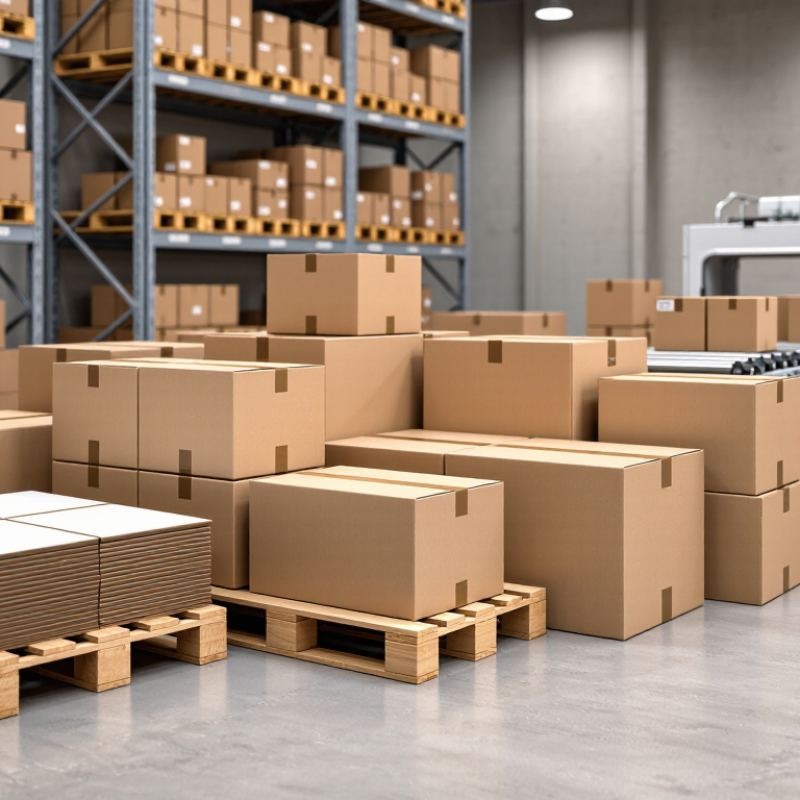
Folding packaging boxes are flat paperboard structures cut, creased, and folded into shape. They usually arrive as blanks, saving warehouse space before assembly. A typical box includes panels, locking tabs, and carefully measured crease lines. These details help workers pack products quickly and consistently.
For bulk orders, the flat format matters. More units fit onto pallets and inside shipping cartons. This can reduce storage pressure and improve transport efficiency. Smithers’ report, The Future of Global Packaging to 2028, forecasts the global packaging market will exceed 1.2 trillion dollars by 2028. That growth increases demand for efficient, scalable packaging formats.
Smithers’ report, The Future of Global Packaging to 2028, forecasts the global packaging market will exceed 1.2 trillion dollars by 2028.
Material choice changes performance. SBS paperboard offers a smooth surface for premium graphics, while recycled board can support sustainability goals. The box must still match product weight, moisture exposure, and stacking conditions. Too little board may cause crushed corners. Too much material adds cost and unnecessary volume.
Real testing matters. A packaging engineer should check compression, folding accuracy, and drop resistance before approving a large run. This step is often skipped. That is a mistake.
Folding boxes are efficient, but they are not automatically protective. Good results depend on accurate dimensions, reliable converting, and realistic shipping trials.
How Do Folding Boxes Support Bulk Order Efficiency?
Folding boxes improve bulk-order efficiency through flat shipping and compact storage. Their panels arrive collapsed, so pallets hold more units before assembly. Smithers’ report, The Future of Folding Cartons to 2028, estimates the global market will grow from about $102.8 billion in 2023 to $125.3 billion by 2028. That expansion reflects continuing demand for scalable, efficient packaging.
In production, accurate die-cutting creates consistent panels, tabs, and locking points. Machines can then fold and glue thousands of boxes with fewer manual adjustments. A well-designed carton also supports automated filling, barcode placement, and quick visual inspection. Small gains matter. Saving two seconds per unit can remove hours from a large production run. Flat cartons also reduce warehouse congestion, especially when orders are released in stages.
Material choice needs discipline. The U.S. Environmental Protection Agency reported an 80.9% recycling rate for paper and paperboard packaging in 2022. However, that figure covers the wider category, not every folding carton. Claims about recyclability should therefore match the actual coating, ink, and local recovery system. The calculation is not always perfect. A lighter box may lower transport volume but tear during handling. Prototypes, drop tests, and real packing trials can reveal that weakness before bulk production. Reliable suppliers should document board thickness, compression performance, tolerances, and batch quality.
| Efficiency Dimension | Planning Data for 10,000 Folding Boxes | How It Supports Bulk Orders | Calculation or Practical Basis |
|---|---|---|---|
| Finished box size | 300 × 200 × 100 mm | Provides a clear reference point for estimating storage, transport, and material requirements. | Example finished internal dimensions for a medium-sized retail carton. |
| Assembled volume | 60.00 m³ for 10,000 units | Shows the space required after the boxes are erected and ready for packing. | 0.300 m × 0.200 m × 0.100 m × 10,000 units. |
| Flat blank size | 520 × 420 × 1 mm per blank | Flat blanks can be stacked efficiently before assembly, helping reduce warehouse congestion. | Illustrative die-line planning size; actual dimensions vary by structure, folds, and glue flaps. |
| Flat-packed material volume | 2.18 m³ before palletization | Allows more unused cartons to be stored in the same facility than pre-assembled packaging. | 0.520 m × 0.420 m × 0.001 m × 10,000 units. |
| Space reduction before assembly | Approximately 96.4% | Lower storage volume can improve warehouse capacity and simplify bulk-order inventory planning. | 1 − (2.18 m³ ÷ 60.00 m³), based on the example dimensions above. |
| Assembly requirement | Required immediately before packing | Packaging teams can assemble cartons in batches according to production demand instead of occupying storage with erected boxes. | Actual assembly speed depends on carton structure, operator training, equipment, and packing-line layout. |
| Pallet utilization | Higher potential utilization when shipped flat | More units can generally be consolidated per pallet because flat cartons do not contain large empty internal cavities. | Final pallet count depends on blank size, paperboard caliper, stack height, pallet dimensions, and load limits. |
| Material handling | Flat bundles are easier to count, label, and replenish | Standardized bundles support faster stock checks and more predictable replenishment during high-volume production. | Operational benefit depends on bundle quantity, labeling method, and warehouse procedures. |
| Customization efficiency | Die-cut format supports repeatable production | Once the structural design is approved, repeated bulk runs can use consistent dimensions and folding points. | Repeatability depends on approved artwork, tooling, board specification, and quality-control tolerances. |
| Inventory flexibility | Unassembled stock can be held for later use | Bulk-produced cartons can be stored flat and assembled closer to the fulfillment date, helping manage fluctuating order schedules. | Best suited to products with stable carton specifications and sufficient protection from moisture and compression. |
Note: The numerical example is calculated from the stated dimensions. Actual results vary with carton style, board thickness, die-line design, pallet configuration, assembly method, and warehouse conditions.
Folding packaging boxes can reduce unit costs when production reaches several thousand pieces. Their flat design uses less storage space before assembly. A warehouse can stack more cartons on one pallet. That may lower handling and freight charges.
In bulk production, printers often optimize sheets to reduce material waste. A well-planned layout can place several box panels on one sheet. This saves paperboard and improves cutting efficiency. Folding boxes also suit automated gluing and packing lines. Labor costs may drop when machines handle repeated folding tasks. In my experience, small improvements become significant across a large order.
The math is not always perfect. A complex structure may require special tooling or slower assembly. That initial setup cost can reduce early savings. Still, the cost per box usually falls as the quantity increases. Buyers should compare material, tooling, freight, storage, and labor together. A low unit price can hide expensive shipping or excessive waste.
Folding cartons are also easier to revise than rigid packaging. A lighter paperboard grade may reduce costs, but it can weaken the box. That trade-off deserves physical testing. Sample packing, stacking trials, and drop checks reveal problems early. Accurate measurements matter, especially when products have sharp corners or uneven weight. Bulk savings are strongest when design efficiency and product protection stay balanced.
Bulk orders often create a storage problem before shipping begins.
Folding packaging boxes arrive flat, so they occupy much less warehouse space. A pallet can hold hundreds of flat cartons without blocking aisles. This helps teams store more inventory in the same area. When orders arrive, workers open, fold, and seal each box quickly.
Small detail, big effect.
Folding boxes also improve shipping efficiency. Their consistent dimensions make pallet stacking more stable and predictable. Empty spaces decrease, which can reduce movement during transit. Better stacking may also lower the risk of crushed corners or open seams.
In practical packing tests, teams should check box strength after folding. A carton that looks sturdy may weaken when overloaded. Material thickness, locking design, and product weight all matter.
These boxes can support cleaner inventory control, too. Flat cartons are easier to count and label by size. They can remain stored away from moisture, heat, and heavy equipment. A dry storage area is essential.
Still, folding packaging is not perfect. Poor folding can create uneven edges and wasted space. Workers need simple training and clear packing checks. Measuring actual shipping loads is wiser than relying only on supplier specifications.
Choosing folding packaging boxes for bulk orders can reduce flat-pack storage and shipping volume. Yet the unit discount is not the whole decision. Before approving a purchase, measure the packed product, not only the carton’s internal length. Leave room for inserts, hand assembly, and slight board variation. A two-millimeter error can create crushed corners or loose products. Small details matter.
Market data also raises a procurement question. Eurostat reported 186.5 kilograms of packaging waste per person in the European Union in 2022. Paper and cardboard represented about 41% of that waste. Smithers’ 2024 folding-carton market analysis identifies e-commerce and sustainability as major demand forces.
These trends do not make every paper box sustainable. Confirm recycled content, coatings, adhesives, and local recycling acceptance. “Recyclable” can be too broad.
Before bulk production, request a pre-production sample and compression test. Check flat dimensions after folding, glue strength, print registration, and barcode readability. Ask for tolerances in writing. Compare the minimum order quantity with a three-to-six-month sales forecast.
Consider storage humidity, lead time, and cash tied in inventory. A low unit price may hide obsolete stock. I have seen planning fail here.
One overlooked detail is batch consistency; even minor shade or scoring changes can affect packing speed. According to the Smithers report, automation and efficient production are becoming more important, but poorly specified boxes can still slow a line.