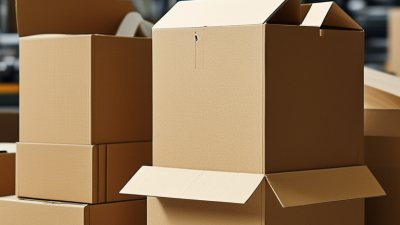
Choosing the right carton can shape how a product travels, opens, and feels in a customer’s hands. The many types of folding cartons serve different packaging needs. A small cosmetics box may use a straight tuck end carton, while heavier retail goods often require an auto-lock bottom design. These differences affect strength, assembly time, shelf appearance, and production cost.
This guide examines common carton structures, including reverse tuck end, sleeve, tray, window, and crash-lock styles. Each design has practical advantages and limitations. A window carton can display a product clearly, but its film material may influence recycling decisions. A sleeve uses less board in some applications, yet it may need a separate tray for protection. Details matter.
Real packaging decisions rarely depend on appearance alone. Board thickness, folding direction, closure security, printing method, and product weight must work together. Manufacturers should also test cartons under stacking, vibration, and moisture conditions. Small flaws often appear only after filling.
That is worth remembering.
The following overview explains the types of folding cartons through their structure, typical uses, and performance characteristics. It also considers how designers balance branding with reliable protection. Some recommendations may change by product category, supply chain, or regional packaging requirements. There is no universal carton. A thoughtful choice begins with the product itself.
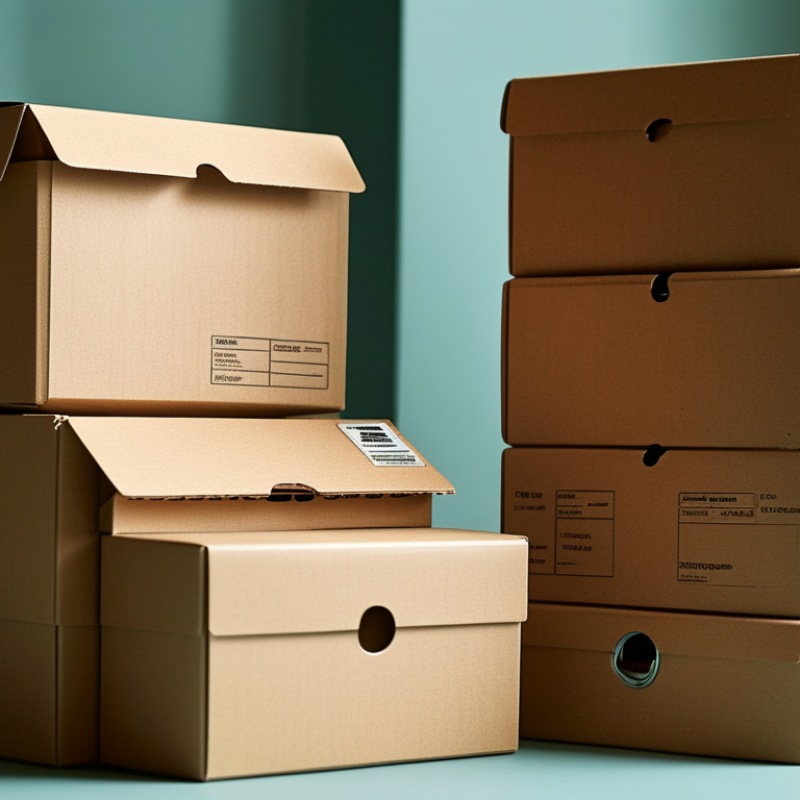
Folding cartons are paperboard packages designed to be creased, folded, and supplied flat. Their board weight commonly ranges from 200 to 600 gsm. Lower weights create lightweight packs for small products, while heavier boards provide stronger walls and a more substantial feel. However, gsm alone does not determine performance. Board thickness, fiber direction, moisture, and coating also affect folding quality.
A 200–350 gsm carton usually suits compact packs with simple reverse-tuck or straight-tuck structures. These cartons fold quickly and occupy little storage space before filling.
Around 350–500 gsm, cartons can support wider panels, locking tabs, and more demanding printing.
At 500–600 gsm, rigid-feeling sleeves, reinforced cartons, and premium folding structures become practical. They still arrive flat-packed, then form a three-dimensional package through scored folds and glued or locked seams.
The structure matters as much as the material.
A crash-lock base can improve packing speed, while a tuck-end design allows easier opening and closing.
During production checks, I would inspect crease depth, corner alignment, and whether the carton springs back after folding. Small errors become visible at the packing line.
The 200–600 gsm range is useful, but it is not an absolute rule. A poorly scored 400 gsm carton may perform worse than a carefully engineered 250 gsm carton. Sample testing remains essential, especially when products are heavy, irregular, or sensitive to humidity.
What Are the Types of Folding Cartons?
Tuck-end cartons are folding cartons closed by folding a top or bottom flap into the package. Their design affects filling speed, product protection, and shelf appearance. Straight tuck-end cartons use top and bottom flaps that tuck in the same direction. This layout creates a clean front panel and works well for lightweight retail products. It also supports efficient hand packing. However, the exposed tuck flap may open if the board is too flexible or the score lines are inaccurate.
Reverse tuck-end cartons fold the top and bottom flaps in opposite directions. This arrangement can reduce material overlap and improve access during opening. It often suits products that need frequent consumer handling. The carton may also display a smoother front surface. Small details matter. Poorly aligned dust flaps can catch during packing. I have found that a sample can look acceptable by hand, yet hesitate on a fast production line.
Seal-end cartons use glued flaps rather than relying on tuck closure. They usually provide stronger tamper resistance and support automated filling. This design is practical for heavier products or packages that need consistent closure strength. The adhesive pattern, board moisture, and compression time all influence performance. A strong glue line cannot fix a weak carton structure. Testing should include repeated opening, vibration, stacking, and temperature changes. Designers should also check whether the chosen closure matches the product weight, filling equipment, and customer opening experience.
| Carton Design | Closure Structure | Typical Opening Experience | Common Applications | Main Advantages | Key Considerations |
|---|---|---|---|---|---|
| Straight Tuck-End Carton | The top and bottom tuck flaps fold in the same direction, usually from the front panel toward the rear panel. | The front tuck flap is visible and can normally be opened without tearing the carton. | Cosmetics, personal-care items, light consumer goods, small accessories, and retail products requiring a clean front display. | Fast machine filling, simple construction, clean presentation, and convenient repeat opening and closing. | The closure may be less resistant to opening during handling unless friction locks, adhesive, or an additional tamper feature is used. |
| Reverse Tuck-End Carton | The top and bottom tuck flaps fold in opposite directions, typically allowing the flaps to use different panel edges. | The carton opens through a tuck flap, while the reverse arrangement helps distribute folds and seams across the package. | Healthcare products, over-the-counter products, dry goods, stationery, and general retail packaging. | Efficient use of paperboard, practical automatic production, and flexibility when the carton has printing or structural requirements on specific panels. | The bottom and top closures are not visually identical, and the dieline must be checked carefully for grain direction, panel layout, and filling orientation. |
| Seal-End Carton | End flaps are closed with adhesive or another permanent bonding method rather than relying only on a tuck flap. | The carton is generally opened by lifting a tuck flap, pulling a perforated strip, or tearing a designated opening feature. | Food, household products, pharmaceuticals, and products that benefit from stronger end closure or tamper evidence. | Improved closure security, reduced risk of accidental opening, and suitability for high-speed packaging lines. | Requires adhesive application and accurate compression; opening may be less convenient unless a tear strip or reclosure feature is incorporated. |
| Auto-Lock Bottom Carton | Interlocking bottom panels automatically form a locked base when the folded carton is erected. | The top may use a tuck flap, while the pre-glued bottom opens into position during setup. | Heavier retail products, bottles, jars, candles, and products needing additional bottom support. | Strong base construction, quick setup, and reduced manual bottom assembly during filling. | Usually requires more complex die-cutting and folding-gluing operations than a basic tuck-end carton. |
| Crash-Lock Bottom Carton | A pre-glued, multi-panel bottom snaps into a locked position when the carton is opened. | The upper closure may be tuck-end, while the bottom remains permanently formed after setup. | Premium retail packaging, heavier products, gift items, and products requiring a rigid-looking base. | Fast erection, good load support, and a polished appearance on the retail shelf. | Higher material and converting complexity may increase production cost compared with simpler straight or reverse tuck-end formats. |
| Tuck-Top / Tuck-Bottom Carton | Both ends use tuck flaps, making the carton generally reclosable without adhesive after production. | Both top and bottom can be opened and closed manually, depending on the tuck direction and locking features. | Lightweight consumer goods, sample packs, paper products, and packaging designed for repeated access. | Convenient reclosure, straightforward storage in flat form, and broad design flexibility. | The carton may need locking tabs or internal supports when the product is heavy or subject to repeated transport movement. |
Note: The final carton structure should be selected according to product weight, filling method, required opening experience, tamper-evident needs, paperboard grade, and converting equipment.
Folding cartons come in several structures, including straight-tuck, reverse-tuck, sleeve, and lock-bottom designs. Lock-bottom cartons are useful when products need a stronger base during filling, storage, and transport. Their performance depends on board thickness, crease accuracy, and the product’s weight. A carton can look well designed yet fail at the packing line.
Crash-lock cartons Crash-lock cartons arrive flat and form their base through folding and pressure. The pre-glued panels lock when the carton opens. This design saves manual assembly time and works well for medium-weight products. On a production line, operators usually check whether the bottom opens evenly and holds its shape. Poor creasing can cause one flap to catch. That small defect may slow packing or create carton waste.
Auto-bottom cartons Auto-bottom cartons also use pre-glued panels, but their base opens more quickly and typically provides stronger support. They suit heavier products or faster filling operations. The structure often costs more because it uses additional material and more complex gluing. It also needs accurate machine setup. A loose glue line can weaken the base, while excessive glue may affect folding. The difference is easy to underestimate. In practical testing, I would compare opening speed, compression strength, storage space, and line performance rather than judging by appearance alone. Terminology can vary between converters, so requesting a physical sample remains a reliable step.
Folding cartons are not one uniform package. Their structure should match the product, retail setting, and handling risk. According to Smithers’ The Future of Folding Cartons to 2028, demand is supported by paperboard’s recyclability and strong print performance. Yet material choice alone does not guarantee better packaging.
Sleeves are useful when the inner container already provides protection. They add branding space around a bottle, tray, or box while using less board. This can reduce material use, but loose sleeves may shift during transport.
Window packs improve product visibility. A clear opening lets shoppers inspect color, size, or freshness before purchase. The Sustainable Packaging Coalition notes that packaging visibility can support informed purchasing, although mixed materials may complicate recycling in some systems. The window needs careful sealing.
Gable tops serve a different function. Their folded peak creates a recognizable carrying shape and supports easy pouring or closing. They suit liquids, powders, and takeaway products that need brief handling convenience. Industry data from PMMI’s 2023 packaging trends research shows that convenience remains a major packaging development priority. Still, gable tops can require more board and precise folding equipment.
That trade-off is easy to overlook. In practical trials, a sleeve may outperform a window pack for protection, while a gable top may win on usability. The “best” carton is rarely perfect; it depends on what happens after the package leaves the shelf.
Folding cartons include straight-line, reverse-tuck, crash-lock, sleeve, and gable-end styles. Construction affects filling speed, compression strength, and print registration. A straight-line carton suits many high-speed packing lines. Crash-lock bases reduce manual folding, but setup accuracy becomes more demanding.
ISO 12647-2 helps control offset print through color targets, ink density, and proof-to-press consistency. It does not select the carton structure. That decision needs production evidence. Smithers’ The Future of Folding Cartons to 2028 estimates the global market will approach 205.9 billion US dollars by 2028. Higher volume increases pressure on repeatable color and faster changeovers. A carton that looks efficient during sampling may slow down at 18,000 packs per hour. I have seen this gap appear during short production trials.
Tips: Match the carton to the slowest critical station. Test blank feeding, glue setting, and folding accuracy at the target line speed. Record stoppages, not only average output. Keep substrate, coating, and ink conditions stable before comparing carton types. Also, confirm the printer’s control method against ISO 12647 requirements. Perfect color is not enough. Slight scoring variation can still cause jams. That detail is easy to miss.