Choosing paperboard boxes for global shipping requires more than selecting an attractive carton. The box must survive compression, vibration, stacking, humidity, and repeated handling. A package that performs well in a dry warehouse may soften after crossing a humid ocean route.
Walter Soroka, author of Fundamentals of Packaging Technology, described packaging as “a system, not merely a container.” That principle remains highly relevant. Paperboard boxes must work with the product, cushioning, pallets, labels, closures, and transport environment. Board grade matters. Corrugated fiberboard usually offers stronger protection for heavier goods, while folding cartons suit lighter products and retail presentation. Moisture-resistant coatings can help, but they cannot fix poor structural design.
Details decide outcomes. A tight-fitting box reduces movement. Accurate dimensions improve pallet efficiency. Strong seams prevent unexpected openings. Drop, compression, and humidity testing reveal weaknesses before shipment. Testing matters.
Still, no paperboard boxes design is perfect for every route. Some suppliers overemphasize appearance and underestimate condensation. Others choose excessive material, increasing cost and waste without improving protection. That is where careful review becomes necessary. Specifications should reflect product weight, shipping distance, climate zones, stacking limits, and warehouse conditions.
This guide examines practical options for global shipping. It compares board construction, durability, sustainability, customization, and cost. It also questions common assumptions. Recyclable materials are valuable, but only when the box arrives intact and remains suitable for local recovery systems. Reliable results come from measured performance, not attractive claims.
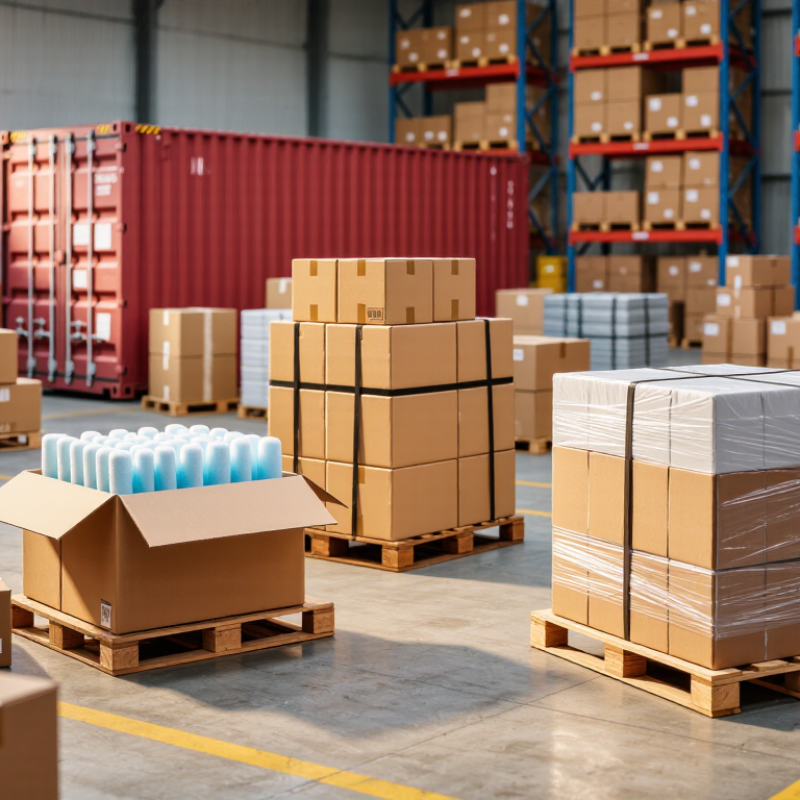
Paperboard boxes serve different roles across an international shipment. Folding cartons suit lightweight products and inner packs. They fold flat, print clearly, and reduce storage space. However, they usually need an outer shipping box for long-distance handling.
Corrugated paperboard cartons are the common choice for direct transport. Single-wall cartons work well for lighter goods and shorter routes. Double-wall cartons provide stronger cushioning during stacking, vibration, and repeated loading. Heavy products may require triple-wall construction, although this adds weight and freight cost.
Die-cut mailer boxes offer quick assembly and a close fit for smaller items. That fit can reduce movement inside the package.
Humidity deserves attention. Sea routes may expose cartons to damp air, condensation, and sudden temperature changes. A moisture-resistant treatment can help, but it may affect recyclability. This trade-off is easy to overlook. Box strength also depends on flute direction, board grade, closure method, and pallet placement. A strong carton can still collapse when stacked unevenly.
Packaging teams should test compression, drops, vibration, and edge damage before choosing a box type.
Product weight alone is not enough. A compact double-wall carton may outperform a larger single-wall carton with excessive empty space. Internal paper inserts can control movement without adding plastic.
Still, no design works everywhere. Route length, climate, warehouse equipment, and handling habits can change the result. Shipping tests often expose assumptions that looked reasonable on paper.
Corrugated paperboard is usually the safest choice for international shipping. Smithers’ 2024 industry report estimates the global corrugated packaging market at about $205 billion in 2023. It also forecasts continued growth through 2028. That scale reflects practical performance, not fashion. Choose kraft liner for stronger outer faces. Recycled liner can reduce impact, but quality varies between suppliers. A double-wall board offers better stacking strength than single-wall board. C-flute paperboard balances cushioning, printability, and storage efficiency.
Box structure matters as much as material. Use full-overlap flaps when cartons face heavy compression. Add internal dividers for glass, electronics, or irregular items. Reinforced corners reduce crushing around pallet edges. Moisture-resistant coatings help during humid port transfers, but they may complicate recycling. This trade-off deserves attention. The ISTA 3A test protocol includes vibration, shock, compression, and atmospheric conditioning. FEFCO packaging data also shows Europe maintains a high paper-recycling rate, above 80% in recent reporting. Recyclability is valuable, but a damaged shipment wastes more resources.
Tips: Match the box to the route, not only the product. Test a sealed carton at realistic weight. Measure edge crush strength before ordering large volumes. Leave limited empty space. Too much movement increases impact damage. A small prototype often reveals weak flaps, poor cushioning, or awkward handling. No board survives every route. That is the part many specifications overlook.
Choosing a paperboard box for global shipping starts with the product, not the destination. A 200-gram ceramic cup needs different protection from folded clothing. Measure the item, including its longest edge and accessories. Leave controlled space for cushioning, but avoid loose movement. Excess space raises material use and lets impact energy travel farther. A snug fit usually performs better. Not always. Delicate corners may need extra clearance and molded support. Good packaging decisions come from drop tests, compression tests, and trial shipments, not appearance alone.
For humid sea routes, select moisture-resistant paperboard or add an appropriate inner barrier. Paperboard can soften after days near a container wall. Air freight brings vibration, pressure changes, and frequent handling. Use stronger fluting or a double-wall structure for heavier goods. Small, dense products need edge protection because their weight concentrates impact. Flat products need stiffness to prevent bending. Temperature-sensitive contents require insulation beyond the box itself. The carton cannot solve every shipping problem.
Box dimensions should follow common pallet and handling limits where possible. A few wasted centimeters can multiply across thousands of parcels. Seal the box with tape suited to dust, cold, and humidity. Print handling information clearly, but never rely on labels alone. In one packaging review, an attractive thin carton passed a desk drop and failed after repeated corner impacts. That result was inconvenient, but useful. Test the weakest panel, the worst orientation, and the longest realistic route. Then revise the design. Shipping conditions change, and packaging assumptions should change with them.
Typical corrugated flute thickness helps match paperboard boxes with product weight, cushioning needs, and international shipping conditions.
How to match the box: E-flute is suitable for small, lightweight, and presentation-focused products; B-flute offers a balance of stacking strength and space efficiency; C-flute is commonly used for general export shipping and products needing more cushioning; BC double-wall board is preferred for heavier goods, long-distance transport, and higher stacking demands. Actual performance also depends on box dimensions, board grade, humidity, palletization, and closure quality.
The best paperboard box depends on the product, route, climate, and handling risks. For long-distance shipping, corrugated fiberboard usually offers better compression strength than lightweight folding cartons. Box design should match the product’s weight and dimensions. Excess space creates movement and impact damage. Too little space increases pressure on the contents.
International testing should reflect real distribution conditions. Compression, vibration, drops, and humidity can be evaluated through recognized methods, including ISO and ISTA procedures. Edge-crush and burst-strength data help compare board performance. However, laboratory results are not perfect predictions. A box that passes a dry test may weaken after weeks in humid air. Samples should be conditioned before testing, preferably under controlled temperature and humidity.
Small details matter.
Moisture-resistant coatings can protect paperboard, but they may affect recycling options. Use internal cushioning when the product has fragile corners or uneven weight. Clear handling marks, shipping labels, and product information should remain readable after abrasion.
If wood pallets or crates are used, check applicable ISPM 15 requirements; these rules concern solid wood packaging, not ordinary paperboard. Country-specific recycling claims also need reliable evidence.
I would avoid choosing the strongest board automatically. It can add cost and material without solving the actual failure point. A practical review should inspect crushed corners, loose closures, and scuffed surfaces after testing.
Paperboard Boxes for Global Shipping: Sustainability, Cost, and Performance
Choosing the best paperboard box depends on the product, route, and handling conditions. In practical packing trials, double-wall corrugated boxes often protect heavier goods during long-distance transport. They resist stacking pressure and repeated handling better than lightweight single-wall options. But thicker board is not automatically better. Extra material can increase freight volume and storage costs. Small design choices matter.
Sustainability begins with the full shipment, not just recycled content. A box with high recycled fiber may perform poorly in humid ports or warehouses. Ask suppliers for fiber sourcing details, recycled content data, and verified compression results. Water-based inks and limited coatings can make recovery easier after delivery. However, recycled fibers may lose strength when exposed to moisture. I have seen a carefully designed box soften after one wet night. That failure changed my view of “eco-friendly” packaging.
Cost should be measured per delivered unit, including damage, returns, and wasted space. Right-sized dimensions can reduce void fill and improve container utilization. Yet reducing material too aggressively can cause corner crush or panel collapse. Use fit tests, compression tests, and drop tests before large production runs. Track damage rates across different climates and routes. A modestly priced box may become expensive after one damaged shipment. Performance depends on balance, and that balance sometimes needs revision.
| Paperboard Box Type | Typical Construction | Best Global-Shipping Use | Relative Protection | Indicative Material Cost | Typical Recycled-Fiber Content | Recyclability | Moisture and Humidity Performance | Space and Freight Efficiency | Key Trade-Off |
|---|---|---|---|---|---|---|---|---|---|
| Single-wall corrugated box | One fluted paper layer bonded between two linerboards; commonly made with E, B, or C flute. | Light to medium-weight consumer goods, books, apparel, dry food, and general e-commerce shipments. | ★★★★☆Good cushioning and stacking strength for ordinary parcel handling. | Low | Often 30–100%, depending on liner grade, local supply, and performance requirements. | Widely recyclable when clean, dry, and free from non-paper components. | Fair. Performance declines when the board becomes wet or is exposed to prolonged high humidity. | Very good. Lightweight, flat-packable, and available in many footprint-efficient formats. | Lower protection than heavier corrugated constructions for very heavy, fragile, or moisture-sensitive products. |
| Double-wall corrugated box | Two fluted paper layers separated by an additional linerboard, commonly using BC or EB flute combinations. | Heavier products, multi-item orders, long-distance transport, and shipments requiring stronger stacking performance. | ★★★★★Higher compression strength and puncture resistance than single-wall board. | Medium | Commonly 30–90%, with higher recycled content generally requiring careful grade selection for demanding loads. | Widely recyclable if kept clean and designed without difficult-to-separate coatings or accessories. | Fair to good. More robust than single-wall board, but still vulnerable to saturation and sustained humidity. | Good. Provides strong protection, although it uses more material and weighs more than single-wall construction. | Higher material use, pack weight, and cost can increase freight emissions and shipping charges. |
| Microflute corrugated mailer | Fine-flute corrugated board, typically E or F flute, laminated or printed for a clean retail appearance. | Small parcels, cosmetics, electronics accessories, subscription boxes, and direct-to-consumer shipments. | ★★★☆☆Good surface quality and moderate protection for compact products. | Low to medium | Often 30–100%, depending on the linerboard and visual print requirements. | Generally recyclable through standard paper and corrugated recycling streams. | Fair. Suitable for normal parcel conditions but not for direct exposure to rain or condensation. | Excellent. Low board thickness and self-locking designs can reduce void space and packaging weight. | Limited cushioning and compression performance for large, heavy, or irregularly shaped products. |
| Solid bleached paperboard carton | Dense, smooth, multi-ply paperboard with a bright printable surface and relatively low bulk. | Small, lightweight products where appearance, graphics, and dimensional accuracy matter. | ★★☆☆☆Suitable as an inner carton; usually needs an outer shipping box for parcel transport. | Medium to high | Often lower than recycled folding carton grades when brightness, cleanliness, and print quality are priorities. | Generally recyclable where local facilities accept coated or printed paperboard. | Fair. Some grades offer improved surface resistance, but ordinary paperboard is not waterproof. | Excellent for retail presentation; insufficient by itself for many global distribution environments. | Strong graphics and clean appearance come with lower cushioning and often higher virgin-fiber use. |
| Recycled folding carton board | Multi-ply paperboard manufactured with a substantial proportion of recovered paper fibers. | Secondary packaging for dry goods, household products, light accessories, and inner packs. | ★★☆☆☆Good for light-duty packaging but generally not a substitute for a corrugated shipper. | Low to medium | Commonly 60–100%, depending on grade, cleanliness, strength, and surface requirements. | Generally recyclable if free of plastic laminates, metallic films, and excessive contamination. | Fair to limited. Fiber-based board can soften in humid conditions unless specially treated. | Excellent for compact inner packaging and efficient pallet utilization. | Lower cost and recycled content may be accompanied by reduced stiffness, brightness, or moisture resistance. |
| Water-resistant corrugated box | Corrugated board using moisture-resistant papers, sizing, or a light functional coating. | Sea freight, humid climates, cold-chain-adjacent distribution, and products exposed to condensation risk. | ★★★★☆Maintains performance better than standard board during short-term moisture exposure. | Medium to high | Varies widely; recycled fiber can be used, but performance specifications may limit the percentage. | Depends on the treatment. Fiber-based sizing is generally more compatible with recycling than plastic or wax coatings. | Good for limited exposure; not equivalent to a waterproof container or sealed plastic barrier. | Good. Offers added protection without the mass of heavier structural packaging. | Special treatments increase cost and may reduce recyclability if they rely on difficult-to-remove coatings. |
| Heavy-duty corrugated box | High-strength liners and fluting, often using double-wall or triple-wall construction. | Industrial components, dense products, export pallets, and shipments subject to repeated handling. | ★★★★★Designed for high load-bearing capacity and demanding distribution cycles. | High | Often 30–80%, selected according to compression, edge-crush, and impact requirements. | Generally recyclable, provided the box is not contaminated and coatings or reinforcements are compatible with local systems. | Good when specified with moisture-resistant papers; still requires protection from prolonged saturation. | Moderate. Excellent product protection, but greater board weight and volume can raise freight costs. | Maximum durability can lead to overpackaging when the product does not require such a high performance level. |
| Notes: Cost and recycled-content figures are indicative industry ranges rather than fixed specifications. Actual performance depends on board grade, flute profile, box dimensions, closure method, product weight, stacking pattern, climate, and applicable transport testing. For global shipments, validate the selected design with compression, vibration, impact, and humidity testing before production. | |||||||||