10 Best High End Packaging Boxes for Global Buyers?

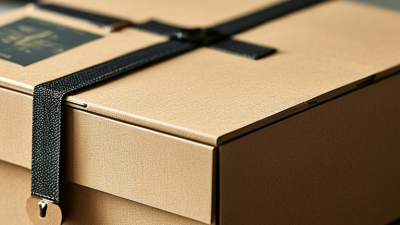
For global buyers, high end packaging boxes are more than protective containers. They are silent sales representatives. A rigid box, magnetic closure, or textured sleeve can shape expectations before the product is touched.

Packaging expert Debbie Millman has said, “Packaging is the brand’s last and most enduring impression.” This idea remains practical in international markets. A premium box must look refined under showroom lighting and survive long-distance handling. It should protect glass bottles, jewelry, cosmetics, electronics, or luxury gifts without excessive movement inside.

Small details matter. Consider a 2-millimeter greyboard structure, clean foil stamping, soft-touch lamination, and a fitted paper insert. These features create a deliberate opening experience. Yet appearance alone is not enough. Buyers also examine material consistency, color accuracy, odor, printing quality, and production tolerance. A beautiful sample can still fail during mass production.

Sustainability adds another test. Recyclable paper, water-based coatings, and reduced plastic components may improve buyer confidence. However, vague environmental claims can weaken credibility. Suppliers should provide clear material information and realistic certifications.

This guide reviews ten high end packaging boxes for global buyers. The selection considers design value, protection, customization, manufacturing reliability, shipping practicality, and presentation impact. Some options will appear nearly perfect. They are not. Each format involves compromises involving cost, weight, assembly time, or recycling.

That is the important question: which box serves the product best?

A luxurious box should feel memorable, but never wasteful.

10 Best High End Packaging Boxes for Global Buyers?

What Defines a High-End Packaging Box for Global Buyers

What Defines a High-End Packaging Box for Global Buyers

A high-end packaging box is more than a rigid structure with a glossy finish. Global buyers expect precise construction, tactile materials, and reliable protection during long-distance shipping. Sharp edges, consistent color, and smooth magnetic closure signal manufacturing control. The box should also open quietly and hold the product without movement. Small details matter.

Smithers forecasts the global packaging market will exceed US$1.2 trillion by 2028. This growth raises buyer expectations, not just order volumes. The World Packaging Organisation’s global trend reports also highlight recyclability, material reduction, and responsible design. Therefore, premium packaging should use certified paper, recyclable inserts, and minimal mixed materials where possible. A heavy box may feel luxurious, but unnecessary weight increases freight costs and environmental impact. That trade-off deserves more attention.

Tips: Request a physical prototype before approving mass production. Test drop resistance, humidity exposure, and color consistency. Ask suppliers for material certificates and production tolerances. Check whether the box fits standard shipping cartons. A beautiful sample can still fail in transit. I have seen packaging look perfect on a showroom table, then arrive with crushed corners. High-end design needs evidence, not assumptions.

Top 10 High-End Packaging Box Types and Their Best Uses

High-end packaging must protect the product and communicate value before opening. In my packaging evaluations, structure, material weight, closure strength, and print accuracy matter most. A rigid setup box suits luxury gifts and keeps its shape during handling. A magnetic-closure box works well for premium electronics, jewelry, and curated sets. A drawer box creates a slower, more memorable unboxing experience. A shoulder-neck box adds visual depth for bottles, candles, and collectible products. A book-style box fits products that need storytelling, certificates, or layered inserts.

A two-piece lid-and-base box offers dependable protection for cosmetics, accessories, and specialty foods. A premium folding carton reduces shipping volume and suits retail products with refined graphics. A paper tube protects small items such as tea, skincare products, and stationery. A window box helps customers inspect the product without opening it, although the window can weaken privacy and structure. A reusable hinged case is practical for tools, premium kits, and products requiring repeated storage. Each type needs accurate dimensions, clean edges, and inserts that prevent movement.

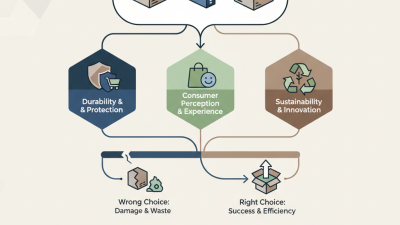
Details often decide whether packaging feels expensive. Soft-touch coatings can show fingerprints, while heavy board may increase freight costs. I have seen attractive boxes fail because the hinge loosened after repeated use. That mistake deserves attention. Test closures, corner compression, moisture exposure, and opening cycles before production. Sustainable materials can improve perception, but only when they remain durable and recyclable in the target market. No box is perfect; the best choice balances protection, presentation, cost, and real handling conditions.

10 Best High End Packaging Boxes for Global Buyers? - Top 10 High-End Packaging Box Types and Their Best Uses

No. High-End Packaging Box Type Best Uses Common Materials Key Features Sustainability Considerations
1 Rigid Setup Box Luxury cosmetics, jewelry, watches, premium electronics and gift sets Rigid paperboard, wrapped specialty paper, fabric or laminated paper High rigidity Premium presentation Reusable structure Paper-based versions can be recyclable when they avoid non-paper laminates, magnets and mixed-material components.
2 Magnetic Closure Box Luxury gifts, apparel accessories, fragrance sets and premium product collections Rigid paperboard, wrapped paper, embedded magnets and optional textile inserts Secure closure Strong shelf appeal Easy opening experience The box can use recyclable paperboard, but magnets and laminated finishes may require separation before recycling.
3 Drawer-Style Box Jewelry, small electronics, stationery, confectionery and curated gift products Rigid board, folding paperboard, paper wrap and ribbon or fabric pulls Smooth unboxing Organized interior Reusable format A paper-only construction is widely recyclable; ribbon, foam and plastic trays should be designed for easy removal.
4 Book-Style Box Books, premium stationery, cultural products, cosmetics and presentation kits Rigid paperboard, coated or uncoated paper, paper hinges and optional inserts Distinctive format Wide branding area Protective shell Uncoated paper wraps and fiber-based inserts generally simplify recycling compared with plastic-coated constructions.
5 Two-Piece Lid-and-Base Box Apparel, footwear accessories, home goods, food gifts and premium retail packaging Rigid board or high-grade folding carton with paper wrapping or printed surfaces Classic appearance Good compression strength Stackable design Fiber-based construction is suitable for recycling when coatings, foil and internal components are limited.
6 Shoulder-Neck Box Perfume, spirits, watches, jewelry and products requiring a framed presentation Rigid paperboard with separate shoulder and neck components, wrapped paper or specialty board Layered appearance Precise product fit Elevated presentation Paper-based components can support recycling, while rigid inserts and decorative laminates may complicate material recovery.
7 Window Display Box Confectionery, cosmetics, toys, craft products and products where visibility supports sales Folding carton or rigid board with paperboard structure and a clear cellulose or plastic window Product visibility Retail-friendly Tamper awareness A paper window can improve fiber recovery; plastic windows should be removable or clearly identified for appropriate disposal.
8 Foam-Fitted Presentation Box Precision instruments, electronics, glassware, tools and fragile premium products Rigid board or corrugated board with molded pulp, paperboard, foam or textile-lined inserts Impact protection Custom product fit Compartmentalized interior Molded pulp and paper inserts are easier to recover than conventional foam; mixed-material interiors should be designed for separation.
9 Embossed and Foil-Decorated Folding Carton Premium cosmetics, pharmaceuticals, gourmet foods and consumer electronics accessories Solid bleached board or other high-grade folding carton with coatings, embossing and decorative foil Efficient shipping High-quality graphics Fold-flat storage Paperboard is commonly recyclable; extensive plastic lamination and metallic layers can reduce recyclability.
10 Corrugated Luxury Mailer Box Direct-to-consumer shipping, subscription services, premium apparel and e-commerce gift orders Corrugated fiberboard, kraft paper, water-based inks and paper-based protective inserts Shipping protection Lightweight structure Efficient logistics Widely recyclable fiberboard is a strong option; right-sizing and paper-based void fill can reduce material use and shipping volume.

Key Materials, Designs, and Customization Options

High-end packaging boxes begin with the right material. Rigid paperboard offers strength and clean edges. Wood veneer adds warmth, but it increases weight and shipping costs. Recycled paper can create a premium surface when paired with careful coating. Soft-touch lamination feels luxurious, though it may show fingerprints in humid conditions. That detail is easy to overlook.

Design should protect the product and communicate value. A fitted insert prevents movement during international transport. Molded pulp, paperboard trays, and fabric-lined compartments provide different levels of protection. Magnetic closures create a refined opening experience. However, weak magnets may fail after repeated use. Testing matters more than appearance alone. A box should survive stacking, vibration, and several opening cycles.

Customization gives global buyers practical control. They can adjust dimensions, inner structures, colors, printing, embossing, foil accents, and ribbon placement. Clear artwork files reduce production mistakes. Material samples should be reviewed before mass manufacturing. Small color differences often appear between screens and finished boxes. Packaging teams should also check labeling space, recycling instructions, and regional shipping requirements. A beautiful box can still become waste if it is oversized or difficult to separate. The strongest custom solution balances tactile design, product safety, production limits, and responsible material choices.

How to Compare Quality, Sustainability, and Supplier Reliability

10 Best High End Packaging Boxes for Global Buyers?

When comparing high-end packaging boxes, test structure before admiring appearance. Check board caliper, edge crush strength, burst resistance, and closure alignment. A luxury box should survive stacking, vibration, and humidity during international transport. ISO 18601 packaging standards encourage performance-based design and material efficiency. In buyer sampling, weak corners often appear after repeated opening. Small flaws matter.

Sustainability requires evidence, not green wording. The U.S. EPA’s 2018 Advancing Sustainable Materials Management report recorded an 80.9% recycling rate for paper and paperboard packaging. This supports fiber-based designs, but recyclability depends on coatings, laminates, adhesives, and local collection systems. UNEP’s 2023 Turning off the Tap report says plastic pollution could fall 80% by 2040 through reuse, recycling, and reduced consumption. Use less material where protection allows. Beautiful waste is still waste.

Supplier reliability needs measurable proof. Request production samples, inspection records, material specifications, and corrective-action procedures. Compare quoted lead times with actual shipment history. Ask about backup equipment and raw-material continuity. Confirm tolerances for color, dimensions, foil placement, and magnetic closures. A low price can hide unstable quality. I have seen premium samples fail in mass production. That possibility deserves a written control plan, not a promise. Ask for pre-shipment inspection and independent testing when order value is significant.

Global Buying Guide: Costs, Compliance, Shipping, and Quality Control

High-end packaging boxes compete on appearance, but global buying depends on measurable control. Smithers’ The Future of Global Packaging to 2028 values the worldwide packaging market at more than US$1.2 trillion by 2028. Buyers should request a landed-cost model, not only a factory quote. Include board grade, rigid-box assembly, printing, inserts, tooling, inspection, freight, duties, and storage. A low unit price can hide expensive dimensional-weight charges. DHL’s logistics guidance also shows why package size matters in air shipping.

Compliance must be checked before sampling. The EU Packaging and Packaging Waste Regulation entered into force in 2025, with requirements developing around recyclability, waste reduction, and recycled content. Other markets use different rules. Ask for material declarations, ink and adhesive information, and migration test records when packaging touches products. FSC-certified paper may support responsible sourcing, but certification must match the actual supplied material. Do not trust a logo alone. Quality control needs written tolerances for color, magnet strength, lid fit, edge gaps, odor, and compression. ISO 2859-1 sampling can structure acceptance inspections, although it cannot replace practical drop testing. A perfect sample is not proof of stable production.

Tips: Compare three landed-cost scenarios. Request a pre-production sample. Test cartons after humidity exposure. Use an independent inspection at the finished-goods stage. Photograph defects beside a ruler. Keep one sealed reference sample. This sounds excessive, yet luxury finishes often fail at corners and hinges. My own caution is simple: visual approval is too subjective, and buyers sometimes notice the risk only after containers leave the port.

Subscribe to Our Blog

Sign Up

WE'RE HIRING!

X