How to Choose the Right Types of Boxes for Packaging Solutions?
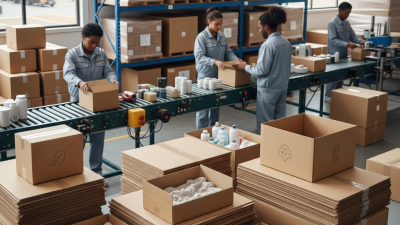
Choosing the right types of boxes for packaging is crucial for any business. Proper packaging protects products and enhances their appeal. Each type of box serves a specific purpose, from shipping to retail display. Understanding these functions can significantly impact your brand's success.
Factors to consider include material, size, and design. Cardboard boxes are lightweight and easy to customize, while rigid boxes offer sturdiness and luxury appeal. Knowing your product's weight and dimensions will help in selecting the right size. Additionally, vibrant designs can capture customer attention.
However, it’s not just about practicality. Reflect on the environmental impact of your choices. Eco-friendly packaging has gained importance. Consumers increasingly prefer sustainable options. Reviewing your current packaging strategy can unveil opportunities for improvement. Balancing aesthetics with functionality can drive sales and brand loyalty.
Factors to Consider When Selecting Packaging Box Materials
Choosing the right packaging materials is crucial for businesses. Various factors influence this decision, including product type, weight, and storage conditions. According to a recent study by Smithers Pira, packaging was valued at $1 trillion globally in 2022, indicating its importance in logistics.
The choice of box material must also consider sustainability. Research shows that 70% of consumers prefer eco-friendly packaging. They often seek recyclable and biodegradable options. Corrugated cardboard is one favored option. It is lightweight, strong, and easy to recycle. However, it is essential to assess the environmental impact of each choice genuinely. Not all materials labeled as "green" are equally effective.
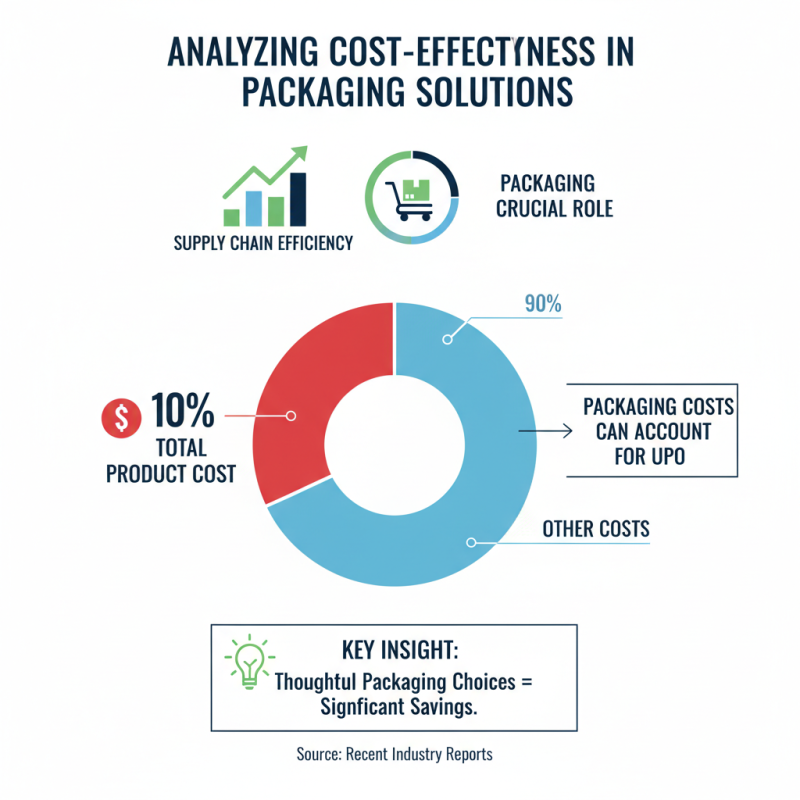
Cost is another factor, which can sometimes overshadow quality. A well-constructed box protects the product better but may be more expensive. It is wise to balance durability against price. In many cases, cheaper materials lead to damage during transportation. Reflecting on these elements is vital for long-term success. Choosing improper packaging might result in negative customer experiences.
Understanding Different Types of Packaging Boxes and Their Uses
Selecting the right type of packaging box is crucial for both protection and marketing. Different materials serve various purposes. For instance, corrugated boxes are ideal for shipping and heavy-duty storage. They provide excellent support and durability, especially for fragile items. According to a report by Freedonia Group, demand for corrugated boxes is projected to grow by 3.5% per year through 2025.
Rigid boxes, on the other hand, are perfect for luxury products. Their sturdy design adds to the perceived value. They are often used for cosmetics, jewelry, and high-end electronics. Understanding the product's needs can greatly influence box choice.
Tip: Always consider your target audience when choosing boxes. A simple cardboard box might not convey the right image for luxury brands.
Flexible packaging options like poly bags or pouches are gaining popularity. They are lightweight and cost-effective. Flexible materials allow for creative shapes and sizes. However, their protective features can sometimes be inferior to that of rigid boxes. Assessing the balance between cost and protection is critical.
Tip: Look into sustainable options. Eco-friendly packaging is becoming a top priority for consumers. It can significantly enhance brand reputation.
How to Choose the Right Types of Boxes for Packaging Solutions? - Understanding Different Types of Packaging Boxes and Their Uses
| Box Type |
Material |
Common Uses |
Strength |
Eco-Friendliness |
| Corrugated Box |
Fluted paper between flat paper |
Shipping, storage |
High |
Yes |
| Folding Carton |
Paperboard |
Retail packaging |
Medium |
Yes |
| Rigid Box |
Thick paperboard |
High-end products |
Very High |
No |
| Mailer Box |
Corrugated cardboard |
E-commerce shipping |
High |
Yes |
| Padded Envelope |
Paper or plastic |
Mailing small objects |
Medium |
No |
Sustainability in Packaging: Eco-Friendly Box Options
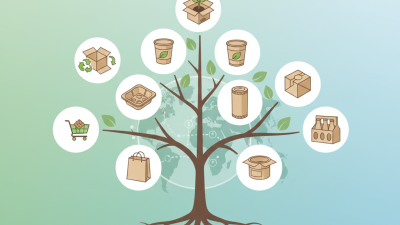
Sustainability is increasingly important in packaging choices. Consumers prefer eco-friendly materials. A report by Smithers Pira indicates that the global sustainable packaging market will reach $500 billion by 2027. This demand reflects a shift toward greener practices in various industries.
When choosing boxes, consider materials like recycled cardboard and biodegradable plastics. These options reduce environmental impact, supporting a circular economy. According to the Environmental Protection Agency, recycling cardboard can save over 24% of the energy used to produce new materials. Despite the benefits, not all eco-friendly packaging meets durability needs. Some biodegradable options lack strength for heavy items. This can lead to higher costs if products are damaged in transit.
Balancing sustainability with performance remains a challenge. Businesses must assess their packaging choices carefully. The key is finding the right combination of eco-friendly materials while maintaining functionality. Regular testing and feedback can guide improvements. As consumer expectations evolve, so should packaging solutions, aligning with both sustainability and efficacy goals.
Industry Standards and Regulations for Packaging Boxes
When selecting packaging boxes, adhering to industry standards and regulations is crucial. Organizations like the International Organization for Standardization (ISO) offer guidelines. These help ensure that packaging meets quality and safety measures. According to a 2022 report, nearly 70% of consumers prefer products that are packaged in eco-friendly materials. This trend pressures manufacturers to comply with regulations regarding sustainable packaging.
Understanding material types is also vital. Corrugated boxes, for example, must meet the ASTM D4727 standard. This ensures they can withstand transportation and handling stresses. A report from Packaging Strategies indicated that 55% of packaging failures stem from improper box selection. Hence, compliance with industry standards prevents costly mistakes.
Moreover, different industries have unique requirements. The food sector often mandates packaging that meets FDA guidelines. This ensures safety and hygiene. Failing to adhere to these could lead to product recalls or safety incidents. The challenges of meeting these regulations vary. Companies must continually adapt to changing standards and consumer expectations. Ensuring compliance can be complex but essential for maintaining a trusted brand image.
Packaging Box Types and Their Usage Statistics