Top 10 Benefits of Chipboard Packaging Boxes for Business?
In today’s competitive market, packaging plays a crucial role in product presentation and protection. One option gaining popularity among businesses is chipboard packaging boxes. These boxes are made from recycled paper products, making them eco-friendly and cost-effective. Many brands are turning to chipboard packaging for their unique benefits.
Chipboard packaging boxes offer durability while maintaining a lightweight structure. This balance can help reduce shipping costs. The versatility of chipboard allows brands to customize sizes and designs. Such flexibility means businesses can create memorable packaging that aligns with their branding.
However, it’s essential to consider potential limitations. Chipboard may not be suitable for products requiring rigorous moisture protection. Reflecting on the drawbacks is crucial for making informed decisions. Understanding the strengths and weaknesses of chipboard packaging boxes can lead to better choices for your business.
Advantages of Chipboard Packaging in Sustainable Business Practices
Chipboard packaging boxes have gained attention in recent years for their role in sustainable business practices. They are made from recycled paper, which reduces waste and conserves resources. This eco-friendly material can be easily recycled after use, promoting a circular economy. By choosing chipboard, businesses can lower their carbon footprint and appeal to environmentally conscious consumers.
In addition to sustainability, chipboard boxes provide excellent protection for products. They can withstand various shipping conditions, ensuring that items arrive safely. Their lightweight nature reduces shipping costs, leading to additional savings. However, companies might find aluminum or plastic alternatives more durable in certain cases. Balancing cost and sustainability remains a challenge for many businesses.
The versatility of chipboard packaging can cater to different industries. It can be customized to meet specific branding needs. This flexibility allows for creative packaging solutions that enhance product appeal. Yet, companies should regularly evaluate their packaging strategies to ensure they align with their sustainability goals. Finding the right balance can be an ongoing journey for businesses dedicated to eco-friendly practices.
Top 10 Benefits of Chipboard Packaging Boxes for Business
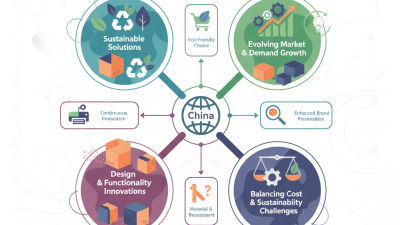
The following chart illustrates the key benefits of using chipboard packaging boxes in sustainable business practices, highlighting their role in enhancing environmental responsibility and economic efficiency.
Cost-Effectiveness of Chipboard Packaging Over Other Materials
Chipboard packaging boxes have gained popularity due to their cost-effectiveness compared to other materials. They are lightweight, which reduces shipping costs significantly. This is a crucial factor for businesses aiming to minimize expenses. The production process of chipboard is also less energy-intensive, leading to lower overall costs. Companies can obtain more material at a fraction of the price compared to traditional cardboard or plastic options.
Not only is chipboard economical, but it is also versatile. Businesses can customize the design and size to fit their specific needs. This flexibility allows for efficient use of space during transportation. However, it’s crucial to reflect on the durability of chipboard in certain conditions. While it is suitable for many products, it may struggle with extreme moisture or heavy weight. Balancing cost savings with the right product protection is essential for businesses. Ultimately, chipboard offers a reliable middle ground for companies seeking sustainable yet affordable packaging solutions.
Versatility of Chipboard Packaging for Various Products and Industries
Chipboard packaging boxes offer remarkable versatility across various industries. This adaptability allows businesses to tailor their packaging solutions to meet diverse product needs.
For instance, the food industry benefits from chipboard's lightweight nature, which ensures efficient shipping without compromising product safety. According to a report by the Paper and Packaging Board, packaging accounts for about 63% of all paper production in the U.S., highlighting the sector's reliance on materials like chipboard.
In industries such as cosmetics and electronics, chipboard boxes provide both protection and aesthetic appeal. Brands can customize chipboard packaging to reflect their identity, creating a unique customer experience. A study by Smithers Pira points out that sustainable packaging is growing in demand, with a projected annual growth rate of 5.6%. Chipboard is often made from recycled materials, aligning with this trend and appealing to eco-conscious consumers.
Despite its advantages, businesses must be mindful of some challenges. Chipboard may not be as moisture-resistant as plastic alternatives. In high-humidity environments, this could lead to product damage. Firms should evaluate their operational context carefully. Overall, chipboard's customizability and eco-friendliness make it a strong contender for various applications, provided businesses consider potential limitations.
Enhanced Branding Opportunities with Customizable Chipboard Boxes
Customizable chipboard boxes offer an excellent chance to enhance your brand's identity. These packaging solutions are not just functional; they can serve as powerful marketing tools. By using unique designs and personalized prints, businesses can make a memorable first impression. Customized colors, logos, and graphics can align perfectly with your brand theme. This creates a cohesive look that resonates with customers and increases brand recall.
Moreover, chipboard is eco-friendly, which can further appeal to environmentally conscious consumers. A product packaged in sustainable materials can boost your brand’s reputation. It conveys a commitment to quality and responsibility. However, brands must be cautious. Poor design choices can detract from the intended message. It's essential to invest time and thoughtful consideration into the packaging design. Sometimes, businesses may overlook how packaging reflects their values, leading to missed opportunities.
The versatility of chipboard boxes allows for various shapes and sizes, fitting many products. This adaptability can be exploited to create an unboxing experience that delights customers. However, striking the right balance between functionality and aesthetics can be tricky. Too much emphasis on design may affect the packaging's durability. Continuous testing and feedback are key to refining this process.
Protection and Durability Benefits of Chipboard Packaging for Shipping
Chipboard packaging boxes offer exceptional protection during shipping. Made from recycled materials, they are sturdy yet lightweight. This combination ensures that products arrive safely without incurring extra shipping costs. Their rigid structure helps prevent damage caused by stacking or impacts during transit. For fragile items, chipboard packaging can absorb shocks effectively.
Chipboard boxes also exhibit remarkable durability. They resist bending and breaking, making them suitable for various products. Their design allows for easy customization. Businesses can print logos directly on the surface, enhancing brand visibility. However, some may overlook the environmental benefits of chipboard. Choosing eco-friendly materials reflects a commitment to sustainability, which resonates with today’s eco-conscious consumers.
While chipboard is durable, it's crucial to ensure proper sealing for maximum protection. Sometimes, inadequate sealing can compromise the effectiveness of these boxes. Brands should consider the type of closure and additional padding for extra security. Investing in quality packaging can prevent returns and improve customer satisfaction.