How to Choose the Best Chipboard Packaging Boxes for Shipping?
Choosing the right chipboard packaging boxes for shipping can be challenging. These boxes are versatile and eco-friendly, making them a popular choice. However, not all chipboard packaging boxes are created equal.
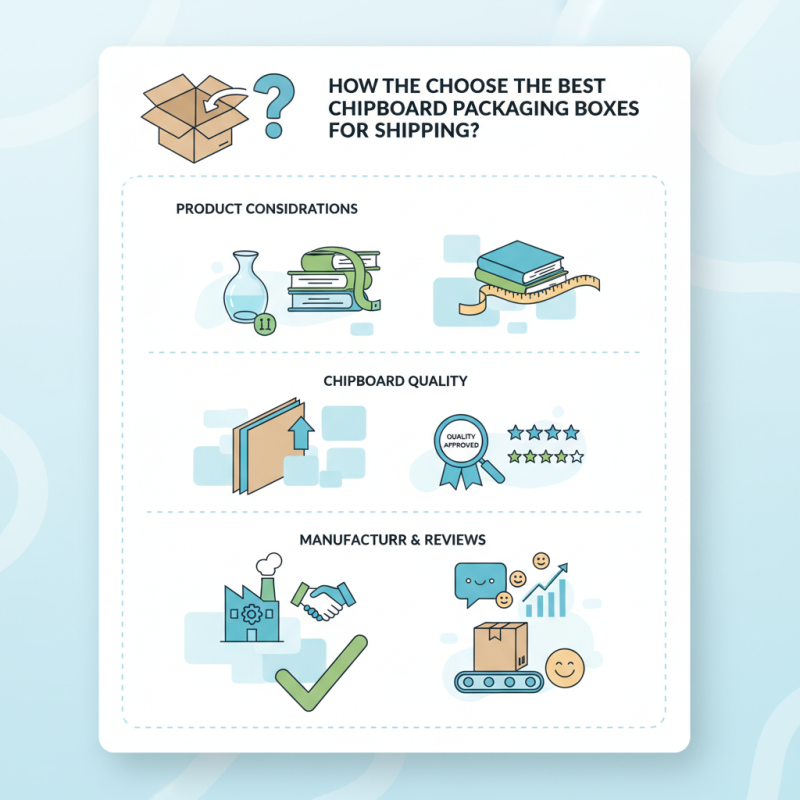
Understanding your product's size and weight is crucial. A box that is too large can lead to damage during transit. Conversely, a box that is too small may not provide adequate protection. Consider the type of items you are shipping. Fragile items require extra cushioning.
It is also important to evaluate the quality of chipboard. Thicker, well-constructed boxes offer better protection. Look for manufacturers with a reputation for quality and reliability. Research customer reviews to gauge user experiences. Choosing wisely leads to safer shipments and satisfied customers.
Factors to Consider When Choosing Chipboard Packaging Boxes
When selecting chipboard packaging boxes for shipping, several factors should be considered. The box material must be durable. Chipboard is lightweight yet strong, making it suitable for various items. However, not all chipboard is created equal. It's essential to understand the thickness and compression strength of the material. Thicker chipboard provides better protection for fragile items.
Additionally, the size of the box matters. A proper fit minimizes movement inside the box during transit. This reduces the risk of damage. It's also useful to think about the box design. Some designs offer better stacking capabilities, which can save space. If you're shipping multiple items, consider dividers or compartments. These can prevent items from shifting and colliding.
Cost is another important aspect. While finding affordable options is crucial, the cheapest choice may not always be the best. It's vital to balance cost with quality. Poor quality boxes can lead to losses. Sometimes it’s worth investing a little more in a reliable option. Reflect on past shipping experiences to avoid repeating mistakes. The goal is not only to ship items but to ensure they arrive safely.
Types of Chipboard Packaging Boxes and Their Uses
When selecting chipboard packaging boxes, understanding their types is essential. Chipboard is crafted from recycled paper, making it a sustainable choice. These boxes are sturdy, lightweight, and perfect for various shipping needs.
One popular type is the regular slotted container (RSC). It is versatile and easy to assemble. You often see it used for shipping retail products due to its strength. Another option is die-cut boxes. They come in unique shapes, providing a creative appearance. This type suits businesses wanting to stand out on the shelves.
Consider your specific needs when choosing the box type. Are you shipping fragile items? Opt for double-wall chipboard boxes for added protection. If weight is a concern, lightweight chipboard options might be more suitable. Think about your brand's image. Using customized boxes can enhance presentation but may require a larger budget.
Test your choices before settling. Sometimes, the perfect box might not effectively protect the product during transit. It’s worth reflecting on feedback from customers regarding packaging. Small adjustments can make a significant difference in shipping success.
Understanding Weight Ratings and Durability for Shipping
When selecting chipboard packaging boxes for shipping, understanding weight ratings and durability is crucial. According to industry standards, chipboard boxes can generally hold up to 40% more weight than traditional cardboard. This weight capacity can vary significantly based on the thickness and design of the chipboard. A recent report by the Packaging Institute found that the type of chipboard used can impact the box's overall strength. Boxes with higher density provide better protection during transit.
Durability is not solely about weight ratings. It also involves resistance to moisture and pressure during shipping. Chipboard is known for its ability to withstand various environmental factors. The American Packaging Association states that proper sealing techniques enhance durability. However, improperly sealed boxes can lead to damage, reflecting a gap in handling knowledge among many shippers. Ensuring a good seal is as essential as choosing the right material.
Inadequate attention to these factors can result in significant losses. A study highlighted that 30% of products damaged during shipping lead to customer dissatisfaction. Rethinking packaging approaches may mitigate these risks. Evaluating specific shipping needs and using chipboard designed for particular applications can improve outcomes. Professionals should consider weight ratings alongside the environmental conditions during transport. This comprehensive approach can help to achieve better shipping results.
Customizing Chipboard Boxes for Specific Shipping Needs
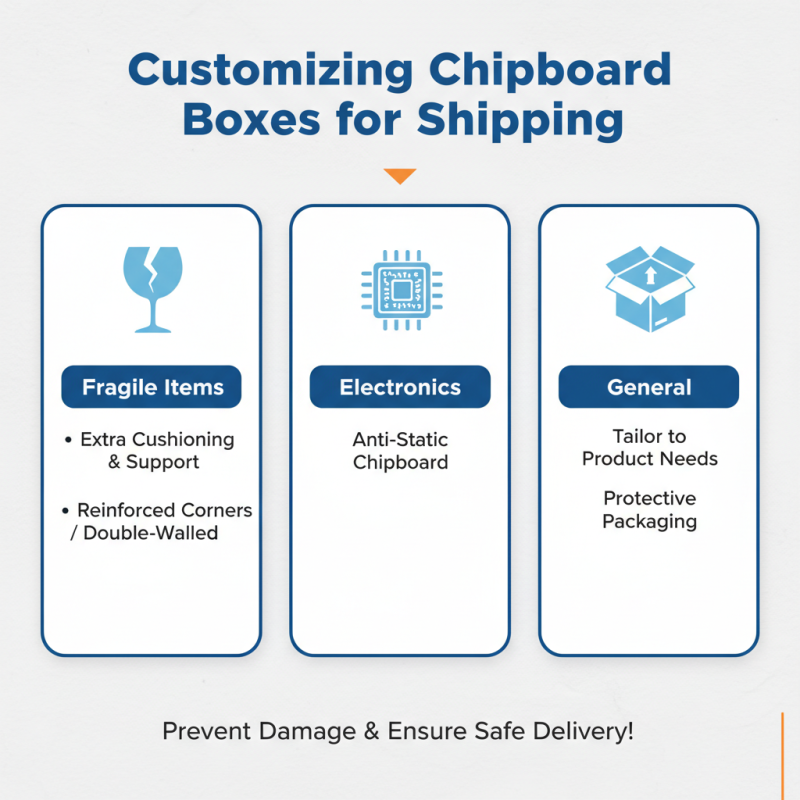
When customizing chipboard boxes for shipping, understanding your specific needs is crucial. Different products have varying requirements. For instance, fragile items demand extra cushioning and support. Reinforced corners or double-walled structures can provide that needed strength. If you ship electronics, consider using anti-static chipboard to prevent damage.
The design of your chipboard box also matters. Opt for sizes that hug your product snugly. A custom fit minimizes movement during transit. You might want to experiment with eco-friendly inks for branding. This not only enhances visibility but also aligns with sustainable practices.
Don’t overlook the importance of testing your packaging. What looks great on paper might not perform well in reality. Conduct drop tests and weight trials to identify weaknesses. Such evaluations can reveal unexpected failures, prompting necessary adjustments. Therefore, seek feedback from partners or customers. They can provide insights that refine your design for better functionality.
Sustainability and Cost-Effectiveness of Chipboard Packaging Options
When considering chipboard packaging for shipping, sustainability and cost-effectiveness are key factors. Chipboard is made from recycled materials, making it a green choice for eco-conscious businesses. According to the Fiber Box Association, 70% of chipboard is made from recycled fibers. Packaging that incorporates these materials can significantly reduce carbon footprints.
Additionally, chipboard packaging is often more affordable than other options like plastic or metal. Reports show that companies can reduce packaging costs by up to 30% by utilizing chipboard solutions. This cost-effectiveness, paired with sustainability, makes chipboard an attractive option for many businesses looking to improve their supply chain practices.
**Tip:** Always calculate your total packaging costs, including shipping weight. Chipboard packaging tends to be lighter, which can further reduce shipping expenses.
Evaluating the source of materials is also essential. Some chipboards can contain additives that may not be eco-friendly. Look for certifications or reports that verify the sustainability of the products you choose.
**Tip:** Regularly review your suppliers. Staying informed about the latest sustainability developments can help you make the best choices.
How to Choose the Best Chipboard Packaging Boxes for Shipping? - Sustainability and Cost-Effectiveness of Chipboard Packaging Options
| Packaging Type |
Sustainability Rating |
Cost ($ per unit) |
Durability Rating |
Recommended Use |
| Standard Chipboard Box |
High |
0.50 |
Moderate |
General shipping |
| Reinforced Chipboard Box |
Very High |
0.75 |
High |
Heavy items |
| Eco-Friendly Chipboard Box |
Exceptional |
1.00 |
Moderate |
Sustainable goods |
| Custom Printed Chipboard Box |
High |
1.20 |
Moderate |
Promotional items |