Why Use Rigid Cardboard Boxes for Your Shipping Needs
In the realm of logistics and packaging, the choice of materials plays a crucial role in ensuring the safe delivery of goods. One standout option that has gained popularity among businesses is the rigid cardboard box. These sturdy and durable containers provide an optimal solution for shipping needs, combining protection, versatility, and an eco-conscious approach. The advantages of using rigid cardboard boxes extend beyond mere functionality; they also enhance the presentation of products, making them a preferred choice for retailers looking to leave a lasting impression on their customers.
Rigid cardboard boxes are designed to withstand the rigors of transportation, offering superior strength and protection against potential damage during transit. Their structural integrity is a key factor, ensuring that the contents remain secure and intact, regardless of the shipping conditions. Furthermore, these boxes can be customized to various sizes and styles, accommodating a wide range of products while maintaining a professional appearance. As businesses increasingly focus on sustainable practices, it’s worth noting that rigid cardboard boxes are also recyclable, aligning with environmentally friendly initiatives.
In summary, opting for rigid cardboard boxes for your shipping needs not only enhances product safety but also supports brand image and sustainability. The combination of resilience, customization, and eco-friendliness makes these boxes an ideal choice for organizations aiming to deliver their products efficiently and responsibly.
Benefits of Rigid Cardboard Boxes in Shipping Operations
Rigid cardboard boxes have emerged as a pivotal element in shipping operations, offering several distinct benefits that enhance both efficiency and protection. According to a report by the International Packaging Association, the global demand for rigid boxes is expected to reach $10 billion by 2025, reflecting their rising prominence in the shipping industry. One key advantage of these boxes is their structural integrity. Unlike standard containers, rigid cardboard boxes are designed to withstand external pressures and impacts, ensuring that products arrive at their destination intact. This is particularly crucial for fragile items, where the potential for damage during transit can significantly increase costs and impact customer satisfaction.
Moreover, rigid cardboard boxes are highly versatile and can be customized to fit a wide range of products, which is invaluable for companies seeking to optimize their shipping operations. A survey by the Packaging Technology and Sciences Journal indicates that 78% of companies using rigid boxes reported a decrease in damage claims due to better product protection. This not only enhances brand reputation but also reduces the costs associated with returns and replacements. The eco-friendly nature of cardboard, as it is often recyclable and sourced from sustainable materials, adds another layer of appeal in today's environmentally-conscious market. As shipping needs evolve, the advantages of rigid cardboard boxes position them as a smart choice for businesses aiming to streamline operations while ensuring product safety.
Current Industry Statistics on Shipping Box Durability and Efficiency
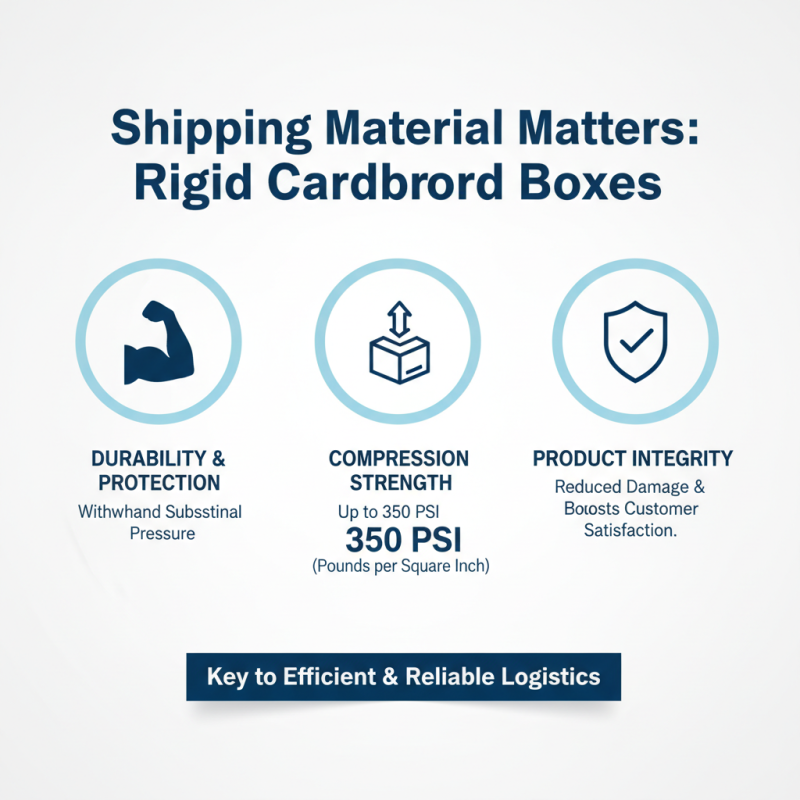
In the ever-evolving landscape of shipping and logistics, the choice of shipping materials greatly impacts both durability and efficiency. Recent industry statistics indicate that rigid cardboard boxes can withstand substantial pressure, with a compression strength rating of up to 350 pounds per square inch (psi). These sturdy boxes help preserve the integrity of products during transit, reducing the likelihood of damage, which affects both the bottom line and customer satisfaction.
Furthermore, a report by the Institute of Packaging Professionals highlights that nearly 30% of products return due to shipping damage. By opting for rigid cardboard boxes, companies can significantly decrease these returns, thereby saving on costs associated with replacements and refunds. Additionally, rigid boxes are often lightweight, which contributes to lower shipping costs and reduced carbon footprints, a critical consideration in today's eco-conscious market.
Tips: When selecting rigid cardboard boxes for shipping, ensure to choose the right size to minimize movement within the box, which can lead to damage. Also, consider using additional packing materials like biodegradable peanuts or foam inserts for extra cushioning. Finally, verify the pre-shipping testing of your chosen boxes to ascertain their durability against real-world conditions, maximizing protection for your products.
Comparative Analysis: Rigid Cardboard vs. Flexible Packaging Solutions
When evaluating packaging options, the choice between rigid cardboard boxes and flexible packaging solutions is crucial for ensuring product safety and appeal. Rigid cardboard boxes provide superior strength and structural integrity, making them an ideal choice for shipping fragile items. Their design minimizes movement during transit, reducing the risk of damage. Additionally, rigid boxes can be customized with inserts for added protection, allowing for a more tailored fit that secures the contents.
On the other hand, flexible packaging solutions, while lighter and often more cost-effective, generally provide less protection against external impacts. They can easily puncture or tear, which may compromise the integrity of the shipped product. Moreover, flexible options may not be suitable for items that require a more professional presentation, as they often lack the sturdy and formal appearance that rigid boxes offer. In terms of sustainability, both options have their merits, but the longevity and reusability of rigid boxes can often lead to reduced environmental impact in the long term.
Why Use Rigid Cardboard Boxes for Your Shipping Needs
| Feature |
Rigid Cardboard Boxes |
Flexible Packaging Solutions |
| Protection Level |
High, resilient against impact |
Moderate, less impact resistant |
| Weight |
Heavier |
Lighter |
| Cost |
Generally higher |
Generally lower |
| Sustainability |
Easily recyclable |
Recyclable options exist |
| Customizability |
Highly customizable |
Limited options |
| Stackability |
Excellent, stable |
Moderate, can bend or break |
Environmental Impact of Rigid Cardboard Boxes: Recyclability and Sustainability
Rigid cardboard boxes have gained popularity in shipping due to their favorable environmental profile. As industries shift towards sustainable practices, the recyclability of packaging materials has become a paramount concern. Research indicates that nearly 90% of cardboard is recycled in the United States, according to the Environmental Protection Agency (EPA). This high rate underscores the recyclability of rigid cardboard boxes, making them an eco-friendly choice for businesses looking to minimize their environmental footprint.
Moreover, the production of recycled cardboard uses 75% less energy compared to virgin materials, contributing significantly to sustainability efforts. Cardboard's biodegradability further enhances its appeal, allowing it to breakdown naturally without leaving harmful residues. Implementing rigid cardboard packaging can not only reduce waste in landfills but also convey a brand's commitment to eco-conscious practices.
Tips: When choosing rigid cardboard boxes, look for options made from post-consumer recycled materials to maximize sustainability. Additionally, ensure that your boxes are free of plastic coatings or laminates to enhance their recyclability. Lastly, consider designing packaging that minimizes material use while maintaining strength, thus reducing overall environmental impact further.
Environmental Impact of Rigid Cardboard Boxes
Cost-Effectiveness of Rigid Cardboard Boxes in Long-Term Shipping Logistics
Rigid cardboard boxes have emerged as a cost-effective solution for long-term shipping logistics, allowing businesses to optimize their shipping processes while maintaining high standards of protection for their products. According to a report by Smithers Pira, the global market for corrugated packaging is projected to reach $300 billion by 2024, indicating a growing trend toward more durable shipping materials. Rigid cardboard boxes not only contribute to this growth but also offer improved shipping efficiency due to their ability to withstand stacking and rough handling during transport. Their structural integrity ensures that products remain intact, reducing the cost associated with damages and returns.
Additionally, the cost-effectiveness of rigid cardboard boxes is further highlighted in a study conducted by the Freedonia Group, which indicates that companies can save up to 30% on shipping costs by switching from traditional packaging to more innovative cardboard solutions. The lightweight nature of rigid cardboard reduces shipping costs based on weight, while its recyclability aligns with increasing consumer demand for sustainable practices. By investing in rigid cardboard boxes, businesses can not only enhance their logistical efficiency but also achieve long-term savings and a smaller environmental footprint, making it an intelligent choice for companies looking to optimize their shipping strategies.