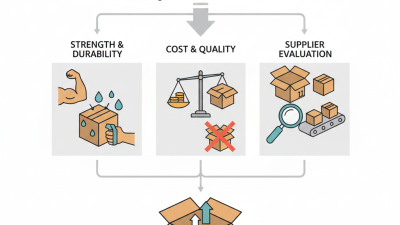
China Top Paper Board Packaging Manufacturers?
China has become a major manufacturing base for paper board packaging, serving food, beverage, cosmetics, electronics, and e-commerce brands worldwide. Its advantage combines large-scale mills, converting capacity, skilled labor, and integrated supply chains. However, low prices alone do not prove manufacturing strength.
Industry forecasts show strong global demand. Smithers’ The Future of Global Packaging to 2028 estimates that the worldwide packaging market could approach US$1.2 trillion by 2028. Mordor Intelligence also projects continued growth in the paperboard packaging market, driven by food delivery, retail presentation, and plastic-reduction strategies. These figures differ because researchers define paperboard, folding cartons, and corrugated packaging differently. That matters.
As Simon Ellin, former chief executive of The Recycling Association, has stated, “Paper and cardboard are the most recycled materials in the UK.” The comment reflects paper’s recovery potential, but recycling is not automatically circular. Coatings, inks, adhesives, mixed fibers, and transport distances can complicate real-world recovery.
This guide examines leading China paper board packaging manufacturers through measurable criteria. These include production scale, material sourcing, printing quality, structural design, testing systems, certifications, export experience, and communication reliability. Sample checks should include carton compression, moisture resistance, color consistency, and batch traceability. A beautiful prototype can still fail on a humid warehouse floor.
Some rankings remain imperfect. Public factory data can be incomplete, outdated, or promotional. Therefore, buyers should verify certificates, audit facilities, request recent samples, and compare delivered costs rather than quoted unit prices. The best paper board packaging partner is not always the largest factory. It is the supplier that consistently matches specification, compliance needs, and practical delivery expectations.
What Defines a Leading Paper Board Packaging Manufacturer in China
What Defines a Leading Paper Board Packaging Manufacturer in China
A leading paperboard packaging manufacturer is more than a factory with modern machines. It understands how material choice affects strength, appearance, cost, and recycling performance. Experienced teams can recommend folding carton, corrugated board, or rigid paperboard based on the product’s weight and distribution conditions. They should also explain these choices clearly, without hiding technical limitations.
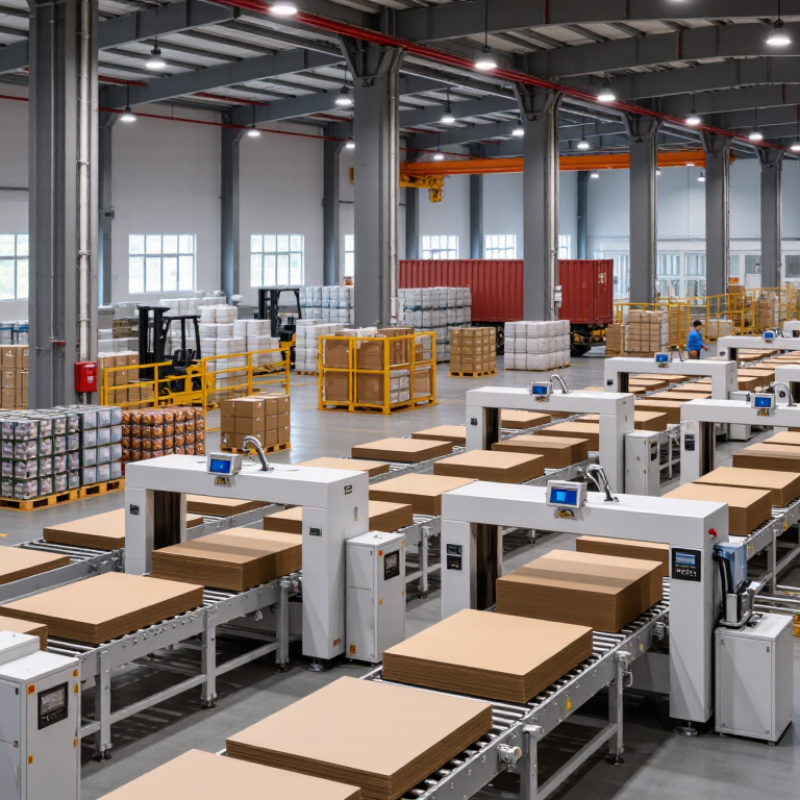
Production control reveals real expertise. Reliable manufacturers inspect paper moisture, board thickness, color consistency, and printing accuracy before shipment. Their quality systems may include documented procedures, calibrated testing equipment, and recognized certifications where applicable. A responsible supplier can provide samples, trial runs, and traceable inspection records. Details matter. A small crease near a fold can damage an entire retail display.
Sustainability requires more than using recycled paper in marketing language. Buyers should ask about fiber sources, water-based inks, coatings, waste handling, and certification scope. Packaging must still protect goods during storage and transport. A lighter box is not always a better box. That sounds simple, but it is often overlooked. Strong communication also matters, especially when artwork changes or delivery schedules become difficult. Even experienced manufacturers can misjudge a complex structure or underestimate seasonal capacity. Honest correction is more valuable than confident promises. Site visits, independent audits, and clear contracts help buyers test reliability before placing larger orders.
Key Types of Paper Board Packaging Products and Applications
China Top Paper Board Packaging Manufacturers?
Paperboard packaging covers several practical formats. Corrugated boxes protect appliances, food shipments, and online orders during stacking and transport. Folding cartons suit snacks, cosmetics, household goods, and regulated products. Rigid paperboard boxes add structure for premium retail displays. Molded fiber trays protect fruit, electronics, and takeaway meals with less plastic content. The choice depends on compression strength, moisture exposure, printing quality, and filling speed.
China’s manufacturing base supports high-volume converting, custom die-cutting, water-based printing, and short development cycles. According to FAO forestry statistics, global paper and paperboard production reached roughly 415 million tonnes in 2022. This scale reflects strong demand, but volume alone proves little. A supplier should provide flute specifications, board grammage, edge-crush results, and migration testing when food contact applies. Small details matter. A carton may look excellent yet collapse in a humid warehouse.
Smithers projects continued growth in global paper-based packaging through the decade, driven by e-commerce and sustainability requirements. Applications are not interchangeable. A single-wall corrugated box may fit dry goods, while chilled products need stronger board and moisture resistance. Folding cartons can reduce shelf space, but weak creasing may cause poor assembly. Molded fiber can feel natural, although surface smoothness and oil resistance remain difficult. These limitations deserve honest testing, not optimistic claims. Pilot samples, compression tests, and transport trials reveal more than a catalog.
Major Manufacturing Regions and Industry Capabilities in China
China’s paper board packaging industry is concentrated in several strong manufacturing regions. The Yangtze River Delta, including Jiangsu and Zhejiang, combines paper mills, printing plants, and efficient transport networks. This cluster supports folding cartons, retail boxes, and food packaging at large volumes.
The Pearl River Delta in Guangdong is known for fast production and export-oriented manufacturing. Factories there often operate automated die-cutting, folding, gluing, and inspection lines. Many suppliers can manage short lead times and frequent artwork changes. The region also has strong access to ports, which helps international shipments move smoothly.
Shandong
Shandong and Fujian add important capacity through paper production and converting operations. Shandong is especially relevant for board supply and large-scale industrial packaging.
Fujian
Fujian has developed capabilities for consumer goods packaging and flexible order sizes.
In central and western provinces, lower operating costs attract growing carton and corrugated box production. However, regional advantages can be overstated. Some factories report high automation, yet manual inspection still handles final color checks. Supplier claims require on-site verification.
Buyers should review board thickness, compression strength, moisture resistance, and print consistency through physical samples. A reliable assessment also includes production records, quality procedures, and packaging tests under realistic shipping conditions. Small differences in humidity can change folding performance. That detail is easy to miss.
Quality Standards, Materials, and Sustainable Production Practices
China’s top paper board packaging manufacturers are judged by measurable quality, not polished catalogs. ISO 9001 systems should control fiber moisture, caliper, compression strength, and print accuracy. Corrugated boxes need edge crush and burst tests, while food-contact packs require migration testing and documented traceability. China’s GB/T 6543 standard also provides practical requirements for corrugated box dimensions and performance.
Materials affect both protection and environmental impact. Recycled fiber lowers demand for virgin pulp, but repeated recycling can shorten fibers and reduce stacking strength. Many reliable plants therefore blend recycled linerboard with certified virgin kraft paper. Water-based inks and dispersion coatings can reduce solvent concerns. However, “recyclable” is not always obvious. Plastic films, wax layers, and difficult adhesives may complicate recovery.
The OECD Global Plastics Outlook reports that packaging represented about 40% of global plastic use, creating roughly 142 million tonnes of packaging waste in 2019. This pressure makes fiber-based alternatives more important, but paper is not automatically sustainable. Manufacturers should disclose recycled content, mill energy use, water consumption, and forestry certification. ISO 14001 can support environmental controls, while credible chain-of-custody records verify fiber origins. Some factories use closed-loop water systems and biomass energy, yet performance varies sharply between facilities. A supplier may meet a standard on paper and still waste materials during production. Independent audits, batch records, and real production samples remain essential.
This benchmark compares reported paper and paperboard recycling rates in major packaging markets. Higher recovery rates indicate stronger circular-material infrastructure, while manufacturer evaluations should also consider ISO 9001 quality management, ISO 14001 environmental management, FSC or PEFC chain of custody, food-contact compliance, and responsible fiber sourcing.
How to Evaluate and Select a Chinese Packaging Manufacturer
China Top Paper Board Packaging Manufacturers?
Choosing a Chinese paper board packaging manufacturer requires more than comparing prices. Request factory photos, production records, and recent quality reports. A polished showroom can mislead. Inspect the actual converting line, warehouse conditions, and material storage. Check whether board rolls are protected from humidity and dust.
Ask for measurable specifications, including grammage, thickness, moisture level, compression strength, and color tolerance. Match these values with your product’s shipping risks. Request samples made from the same board grade and printing process. Test folding, glue adhesion, stacking strength, and surface finish. Samples matter.
Do not overlook production control. Confirm incoming-material checks, in-process inspections, final sampling, and batch traceability. Review equipment maintenance records and calibration dates when possible. Clear communication also matters. Ask who handles artwork approval, tooling changes, and urgent defects. A written specification should define tolerances, packaging, delivery terms, and corrective actions.
Pricing deserves careful judgment. A very low quotation may hide weaker board, unstable labor planning, or unexplained fees. Compare complete landed costs instead. Check minimum order quantities, lead times, payment milestones, and spare capacity during peak seasons. Environmental claims need evidence, not attractive wording. Request relevant certificates and verify their scope.
I once treated fast replies as proof of reliability. That was too simple. Response speed helps, but consistent records matter more. Use a small trial order before expanding volume. It may feel slower, yet it reveals problems early. Choose the supplier that can prove repeatable performance, not merely promise it.