Top 10 Types of Folding Cartons You Need to Know for Your Packaging Solutions
When it comes to packaging solutions, the design and structure of the container play a crucial role in ensuring both functionality and aesthetic appeal. Among the various packaging options available, folding cartons stand out as versatile and efficient choices for a wide array of products. In this article, we will explore the top 10 types of folding cartons you need to know about, providing insight into their unique features and benefits. Understanding the different types of folding cartons will allow businesses to make informed decisions when selecting packaging that not only meets their logistical needs but also enhances their product presentation.
Folding cartons are utilized across multiple industries, from food and beverage to cosmetics and consumer goods. Each type serves different purposes, whether it's for structural integrity, ease of assembly, or shelf impact. By examining the various types of folding cartons, companies can optimize their packaging strategies and ultimately improve customer satisfaction. Join us as we delve into the world of folding cartons and discover how these essential packaging solutions can elevate your brand’s presence in the market.

Types of Folding Cartons: Understanding Structural Variations and Functions
Folding cartons are a versatile component of packaging solutions, offering various structural designs and functions tailored to meet diverse needs. Understanding the different types of folding cartons is crucial for businesses aiming to enhance their packaging strategy. For instance, tuck-end cartons are popular for their ease of assembly and secure closure, making them ideal for retail items. Meanwhile, tray-style cartons are excellent for displaying products while providing robust support. Each type of folding carton serves not just functional purposes but can also influence consumer perception through design and branding.
Tips: When selecting a folding carton for your product, consider the weight and dimensions of the items to ensure proper support. Additionally, think about how the carton will be displayed; designs that catch the eye can enhance shelf presence and drive sales.
Another essential aspect to consider is the material used in folding cartons. Options range from recycled materials to sturdy, lightweight alternatives. Choosing the right material not only affects durability but also impacts the overall sustainability of your packaging. Eco-friendly materials are becoming increasingly popular, aligning with consumer preferences for sustainable products.
Tips: Always conduct a thorough cost-benefit analysis when selecting materials; sometimes, investing a little more upfront can lead to better long-term returns through enhanced brand image and customer loyalty.
Key Features of Folding Cartons: Material Selection and Design Considerations
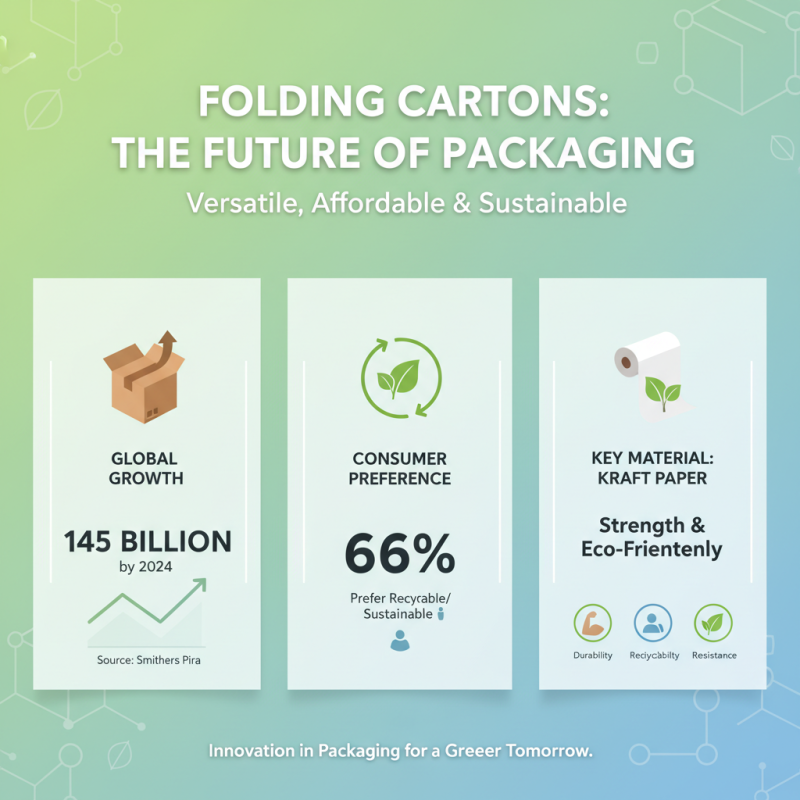
Folding cartons have become a staple in packaging solutions due to their versatility and affordability. When selecting materials for folding cartons, it is essential to consider factors such as durability, recyclability, and moisture resistance. According to a report by Smithers Pira, the global folding carton market is projected to reach $145 billion by 2024, highlighting the increasing demand for sustainable and reliable packaging options. Kraft paper, often chosen for its strength and eco-friendliness, contributes significantly to this market growth. Recent studies have shown that 66% of consumers prefer packaging materials that are recyclable or made from sustainable sources, influencing manufacturers to prioritize eco-conscious choices in their material selection.
Design considerations play a critical role in the functionality and aesthetic appeal of folding cartons. The structural integrity, printability, and ease of assembly are crucial aspects to address during the design phase. The Paper and Packaging Board indicates that well-designed packaging can boost sales by up to 30%, emphasizing the importance of visually appealing graphics and brand recognition. Additionally, advancements in printing technology allow for high-quality prints that enhance brand storytelling while ensuring that the carton remains functional throughout its lifecycle. With the right blend of materials and innovative design practices, folding cartons can effectively meet the diverse needs of various industries, from food and beverage to cosmetics and consumer goods.
Sustainability in Folding Cartons: Eco-Friendly Materials and Practices
Sustainability is becoming increasingly critical in the world of packaging, particularly with folding cartons. Companies are recognizing the need to adopt eco-friendly materials and practices that not only reduce environmental impact but also resonate with environmentally-conscious consumers. The use of recycled paperboard is one of the key materials in sustainable folding cartons, offering a versatile and renewable option that supports waste reduction efforts. Additionally, advancements in water-based inks and adhesives further minimize the ecological footprint of packaging solutions while ensuring high-quality printing.
When considering sustainability in your folding carton design, here are some tips to keep in mind:
1. **Choose Recyclable Materials**: Opt for materials that can be easily recycled. This helps to create a closed-loop system where the packaging can be reused, contributing to a circular economy.
2. **Integrate Minimalist Design**: Simplifying the design not only reduces material use but also makes the packaging lighter, resulting in lower transportation emissions. Streamlined packaging can be just as effective in conveying brand messages.
3. **Explore Compostable Options**: For products that require a temporary barrier, consider compostable materials that break down in industrial composting facilities. This ensures that your packaging is not just discarded but instead returns nutrients to the earth.
By implementing these sustainable practices, businesses can improve their ecological profile while still delivering effective packaging solutions that meet consumer needs.
Top 10 Types of Folding Cartons You Need to Know for Your Packaging Solutions - Sustainability in Folding Cartons: Eco-Friendly Materials and Practices
| Type of Folding Carton |
Material Used |
Key Benefits |
Sustainability Practices |
| Standard Folding Cartons |
Recycled paperboard |
Cost-effective & lightweight |
Using soy-based inks |
| Lock Bottom Cartons |
FSC-certified paper |
Sturdy base & easy assembly |
Water-based coatings |
| Sleeve Packaging |
Biodegradable plastics |
Modern & attractive design |
Compostable materials |
| Tuck Top Cartons |
Recycled cardboard |
Secure closure & versatile |
Sourcing from sustainable forests |
| Auto Bottom Cartons |
Post-consumer recycled paper |
Fast assembly & filling |
Minimal waste production |
| Window Cartons |
Clear biodegradable film |
Product visibility |
Eco-friendly adhesives |
| Gable Top Cartons |
Renewable resources |
Unique shape & easy handling |
Recyclable materials |
| Display Cartons |
Eco-friendly inks |
Attractive retail presentation |
Low carbon footprint |
| Heavy-Duty Cartons |
Kraft paper |
Durable & protective |
Recycled components |
| Two-Piece Box |
Sustainable paperboard |
Reusability |
Circular product lifecycle |
Market Trends: Growth Statistics and Innovations in Folding Carton Packaging
The folding carton packaging industry has witnessed significant growth in recent years, driven by increasing consumer demand for sustainable and innovative packaging solutions. Market statistics indicate a robust expansion, with projections estimating a compound annual growth rate (CAGR) of over 5% in the coming years. This growth is largely attributed to the escalating preference for eco-friendly materials, as businesses recognize the importance of sustainability in their packaging choices. Newer materials and methods, such as water-based coatings and biodegradable substrates, are becoming more commonplace, reflecting a shift towards environmentally responsible practices.
Furthermore, innovations in folding carton design are reshaping the landscape of packaging solutions. Smart packaging technologies, such as QR codes and augmented reality, are being integrated into folding cartons to enhance consumer engagement and streamline the purchasing process. Brands are also experimenting with structural design changes to improve functionality and convenience, catering to the evolving preferences of consumers. These advancements contribute not only to aesthetic appeal but also to improved supply chain efficiencies, making folding cartons a versatile option for a wide range of industries, from food and beverage to cosmetics and pharmaceuticals.
Top 10 Types of Folding Cartons in Packaging Solutions
This bar chart illustrates the market share of various types of folding cartons used in packaging solutions. The data reflects industry trends, highlighting the growing preference for certain carton types.
Applications and Industries: Common Uses of Folding Cartons Across Sectors
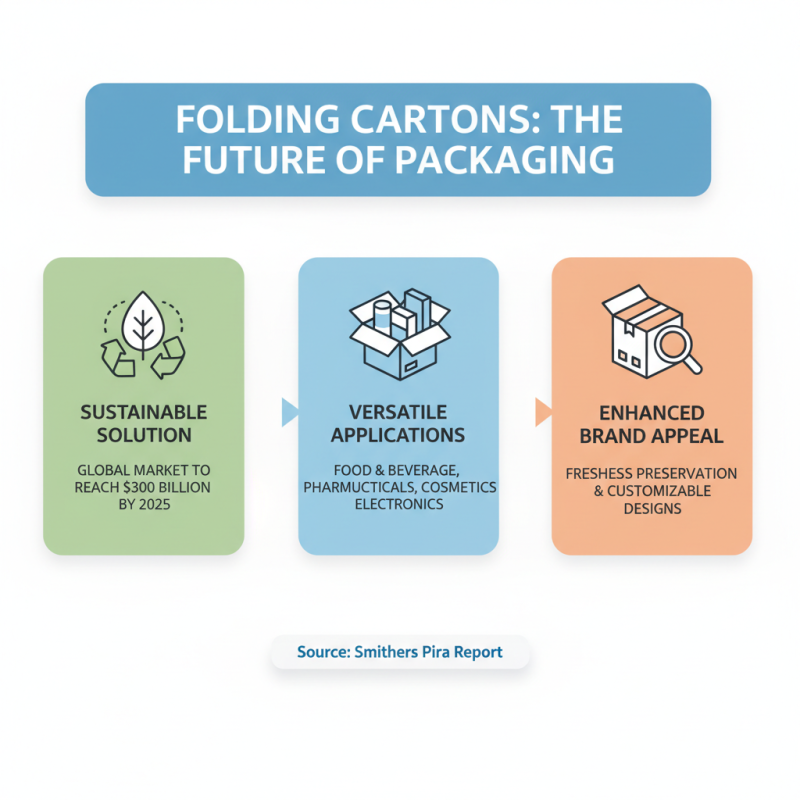
Folding cartons have become an essential component across various industries due to their versatility and effectiveness in packaging. According to a report by Smithers Pira, the global folding carton market is projected to reach approximately $300 billion by 2025, driven by the increasing demand for sustainable packaging solutions. In the food and beverage industry, for instance, folding cartons are widely used for packaging products such as cereals, snacks, and beverages. Their ability to preserve freshness while offering customization in design makes them an ideal choice for brands looking to enhance their shelf appeal.
In addition to food and beverages, folding cartons play a crucial role in the pharmaceutical and cosmetics sectors. The World Packaging Organization highlights that the pharmaceutical industry is expected to see substantial growth, with a significant portion of this driven by the need for secure and informative packaging. Folding cartons used for medicines often come with tamper-evident features and clear labeling, which are vital for safety and regulatory compliance. Meanwhile, in the cosmetics industry, folding cartons are utilized for various products, including skincare and makeup, allowing brands to create visually striking packaging that reflects their brand identity while ensuring product protection. This adaptability across sectors illustrates the critical role folding cartons play in modern packaging solutions.