International shipping begins before a label is printed. It begins with the box.
DHL’s 2024 E-Commerce Trends Report says 70% of shoppers expect to shop mainly online by 2030. This shift increases pressure on exporters, fulfillment teams, and packaging buyers. A product may cross several hubs, face vibration, and sit in humid storage. setup boxes must balance presentation, compression resistance, weight, and dimensional limits. A beautiful box can still fail.
Walter Soroka, a packaging engineer and author of Fundamentals of Packaging Technology, described packaging as “the science, art, and technology of enclosing and protecting products for distribution, storage, sale, and use.” His definition remains practical for international shipments. The box must protect the product and communicate handling needs clearly. It should also fit the item closely, without wasting filler or space. Pitney Bowes’ 2023 Global Parcel Shipping Index reported 161 billion parcels worldwide in 2022, showing the scale of modern parcel movement. At that volume, small design errors become expensive patterns.
This guide explains how to prepare setup boxes for international shipping. It covers size selection, inserts, sealing, moisture protection, labeling, and testing. Begin with the product’s weight and fragility. Then consider the carrier network, not only the warehouse shelf. ISTA-style testing can reveal weak corners before customers do. Still, no packaging plan is perfect. Materials vary, forecasts miss, and real routes behave differently. Review failed deliveries, test representative samples, and revise the design. Reliable shipping is built through evidence, not attractive assumptions.
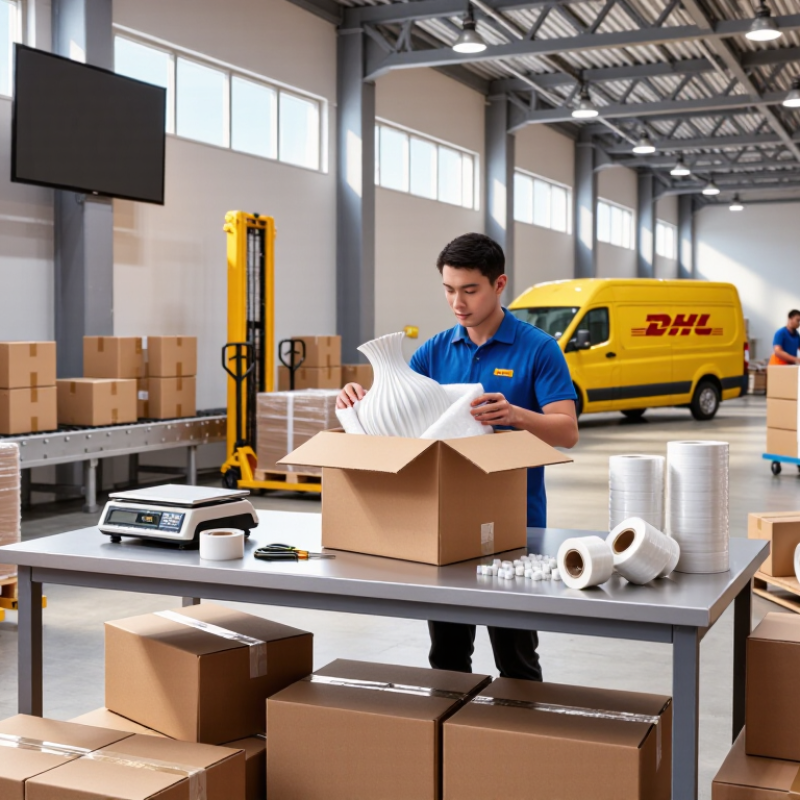
Choosing the right box begins with the item, not the available carton. Measure the product after adding protective wrapping. Leave two to five centimeters for cushioning on every side. A strong, double-wall box suits heavier goods and long-distance handling. Smaller items need a snug fit. Oversized boxes invite movement and raise shipping costs. Measure twice.
Use clean, dry materials without tears, stains, or old labels. Wrap fragile parts separately with foam, molded paper, or firm corrugated inserts. Avoid relying on loose newspaper for valuable surfaces, because ink and pressure can cause damage. Fill empty spaces until the contents cannot shift when gently shaken. Keep it dry. Moisture-resistant inner wrapping helps during rain, storage, and changing climates.
Place heavier items at the bottom and center the weight. Seal every opening with durable packing tape, including the central seam. Reinforce corners when the box may face repeated handling. Attach a clear address label on the largest flat surface, and remove conflicting information. Add required shipping documents in a protective pouch, following the destination country’s current rules. I sometimes add too much cushioning, which can make the parcel unnecessarily heavy. A better check is simple: lift the sealed box, listen for movement, and inspect every edge. If the contents still shift, reopen it rather than trusting the tape. Photographing the packed interior can also support accurate records if damage questions arise.
Prepare the box before adding the item. Choose a sturdy, double-wall carton with enough space for cushioning. The box should not sag when you press its panels. Check every corner for soft spots, cuts, or moisture damage. A used box may look fine, but hidden weakness can appear during handling. That detail is easy to miss.
Wrap the item separately, then place it in the center of the box. Keep at least five centimeters of cushioning around fragile surfaces. Fill empty areas with firm packing material, not loose scraps that can shift. Shake the closed box gently. Movement means the contents need more support. Heavy items belong at the bottom, while delicate pieces should stay away from the walls.
Seal every opening with strong packing tape, covering the center seam and both edges. Add extra tape across the corners if the carton feels flexible. Do not rely on thin string or household wrapping. Measure the finished package and confirm its weight before arranging transport. Labels should remain visible and flat. I would also photograph the sealed box, although this does not replace proper packing. No method is perfect. A final inspection may reveal a weak seam, uneven cushioning, or a box that is simply too large. Revising that mistake before collection is far easier than repairing damage overseas.
International shipping begins with controlled movement inside the box. Choose a strong, clean carton that fits the item closely. Excess space invites impact. Too little space leaves no room for cushioning.
Wrap each item separately with several layers of protective material. Cover corners, handles, and sharp edges carefully. For fragile objects, add a soft inner layer before using denser cushioning outside. Place the heaviest item at the bottom. Keep delicate parts away from every wall. Fill gaps until nothing shifts when you gently shake the carton. It should not move. Do not rely on crumpled paper alone for heavy contents. Air pockets can collapse during handling.
Seal the box with durable packing tape across every opening. Use the H-taping method on the top and bottom seams. Press the tape firmly around the edges.
I once underestimated a small side gap, and dust entered the carton during transit. That mistake changed my packing routine. I now inspect each corner under bright light.
Add an inner plastic barrier when moisture may threaten the contents, but keep it separate from items that need ventilation. Place documents in a sealed sleeve inside the package, not loosely on top. Before dispatch, lift the sealed box briefly and check its balance. A second inspection feels repetitive. It often catches the problem the first inspection misses.
International shipping begins with a box that can survive pressure, moisture, and repeated handling. The Universal Postal Union’s 2023 postal statistics recorded more than four billion parcels worldwide in 2022. Your package will not receive special treatment. Use a strong, double-wall carton with minimal empty space. Wrap fragile items separately. Add cushioning beneath and above them. A weak corner can ruin everything.
Seal every opening with durable pressure-sensitive tape. Reinforce the center seam and both edge seams. Apply the shipping label to the largest flat surface. Keep barcodes smooth, visible, and away from seams. Remove old labels completely. According to UNCTAD’s Review of Maritime Transport, over 80% of global merchandise trade moves by sea. That long journey increases exposure to humidity and rough transfers. A waterproof document pouch helps, but I still inspect it twice. Small mistakes happen.
Tips: Photograph the sealed box before collection. Weigh it after labeling. Check the recipient’s phone number and postal code carefully. The commercial invoice should match the contents, quantity, value, origin, and destination. Use clear, accurate descriptions rather than vague terms. Do not guess commodity codes or shipment values. Verify required forms with the carrier and destination customs authority. I once treated documentation as routine; it was not. A missing page can delay a correctly packed parcel.
Use the correct seal, label, and customs identifiers before handing over the shipment. These standardized code lengths help verify that key shipping information is complete.
Reference: HS commodity codes generally use 6 digits internationally, UN/LOCODEs use 5 characters, ISO country codes use 2 letters, and dangerous-goods UN numbers use 4 digits when applicable. Document and labeling requirements vary by destination and cargo type.
International shipping begins with requirements, not tape. Before choosing a box, check the destination country’s customs rules and import procedures. Confirm the correct product description, tariff classification, declared value, country of origin, and required paperwork. Descriptions such as “gift” or “parts” may cause delays when they lack detail. I once underestimated how closely customs information must match the parcel contents. That small mismatch created unnecessary questions and extra waiting time.
Tips: Measure the packed box, not the empty one. Check the carrier’s size, weight, labeling, and pickup requirements. Use strong double-wall cardboard for long routes. Protect corners with cushioning, and keep movement inside the box minimal. Print the delivery address clearly, including postal codes and contact details. Some destinations require a local phone number or a signature. Confirm these details before dispatch.
Delivery conditions also deserve attention. Ask whether the address is residential, remote, or difficult to access. Review estimated transit times, customs inspection risks, and available tracking updates. Make sure the receiver understands possible duties or handling charges. Never assume the cheapest service is suitable for fragile or time-sensitive shipments. Compare the carrier’s coverage with the package’s actual dimensions and weight. Recheck every document against the box before sealing it; this step feels repetitive, but it often prevents avoidable delays.