How to Ensure Quality in Offset Printing Inspection Process?
Ensuring quality in the Offset Printing Inspection process is crucial for achieving superior print results. This process involves meticulous attention to detail at every stage. Quality control measures can make a significant difference in the final product. Inspectors must be well-trained and knowledgeable about printing standards.
Offset Printing Inspection includes checking color accuracy, paper quality, and registration. Each of these factors plays a vital role in the overall appearance of printed materials. An inspector might spot color inconsistencies or alignment issues during this process. Each flaw can lead to dissatisfaction among customers.
Reflecting on past inspections can reveal patterns in common issues. Understanding these patterns allows for proactive measures in future print jobs. Creating robust guidelines can enhance the reliability of both the inspection process and the final output. Emphasis on quality checks cannot be understated. In the realm of offset printing, even small defects can have significant consequences.
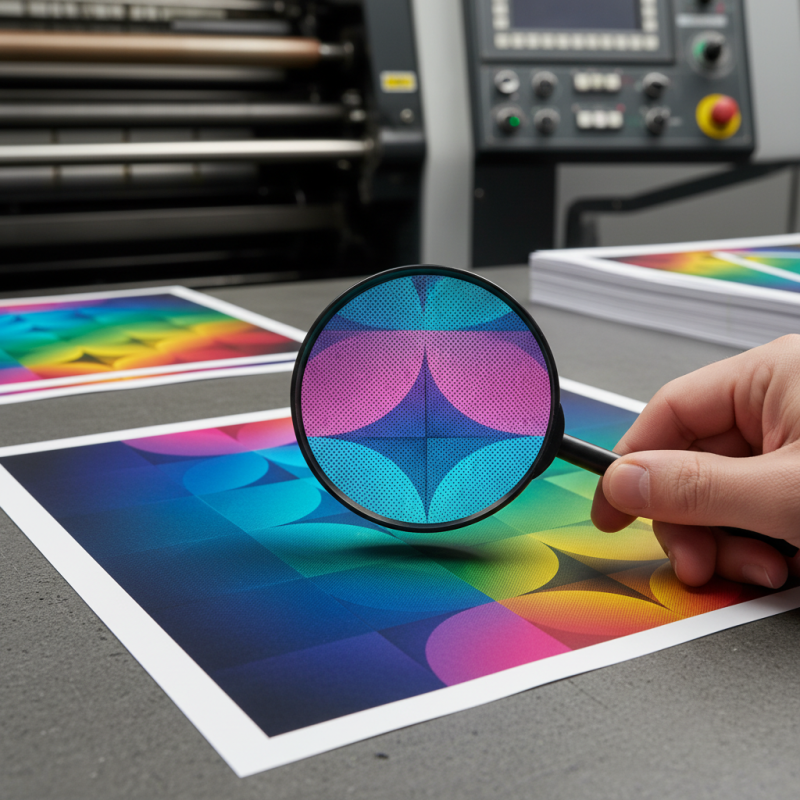
Best Practices for Setting Quality Standards in Offset Printing
Setting quality standards in offset printing is crucial for achieving consistent results. Start by defining clear specifications for each print job. These specifications should cover color accuracy, paper type, and other essential parameters. Involve skilled technicians who understand the complexities of color management and print settings. Their experience can significantly impact quality.
Regular calibration of printing equipment is necessary to maintain standards. Schedule routine checks to ensure that machinery operates within the specified limits. This can prevent issues like color shifts and ink distribution problems. Additionally, create a checklist for operators to follow before running a job. This simple step can mitigate human errors.
Encourage an environment of feedback and continuous improvement. Operators should feel comfortable reporting issues without fear. Regularly review print samples against established benchmarks. This practice not only highlights areas needing adjustment but also strengthens the overall quality control process. Remember, achieving perfection in offset printing requires constant reflection and adaptation to evolving standards.
The Role of Pre-Press Proofing in Quality Control of Print Projects
Pre-press proofing is essential in ensuring quality in the offset printing inspection process. It serves as a safeguard against errors that might compromise the final output. According to a report from the Printing Industries of America, 70% of printing defects originate from issues identified during the pre-press stage. This highlights the critical role that accurate proofing plays in reducing costly reprints and wasted materials.
The proofing phase allows printers and clients to evaluate colors, fonts, and layouts before mass production. This step can prevent errors that might be overlooked in the final print, as many clients may not spot small inconsistencies until the job is printed. Digital proofs have become a common tool, but they may not always replicate the exact final product. A study revealed that 40% of clients noticed differences between digital proofs and the final print, underscoring the importance of physical proofs.
Tips for ensuring effective pre-press proofing include maintaining clear communication between designers and clients. Regular updates on the proofing process can significantly enhance quality control. Additionally, always consider a hard copy proof to catch potential discrepancies. Don't overlook any detail. Small mistakes can cascade into larger issues, affecting overall client satisfaction and project success. Focus on accuracy to avoid reprint costs.
How to Ensure Quality in Offset Printing Inspection Process? - The Role of Pre-Press Proofing in Quality Control of Print Projects
| Inspection Stage | Quality Control Measure | Tools Used | Comments |
| Pre-Press Proofing | Color Accuracy Check | Digital Proof Software | Ensures colors match client expectations |
| Printing Setup | Proofing for Alignment | Layout Software | Validates layout position before printing |
| Production Run | Quality Sampling | Colorimeter, Dot Gain Test | Random samples checked during production |
| Post-Production | Final Product Inspection | Visual Inspection Tools | Ensures finished product meets standards |
| Feedback Loop | Client Review & Adjustments | Client Feedback Forms | Collects input for future improvements |
Key Metrics for Measuring Quality in the Offset Printing Process
In offset printing, quality inspection is a critical step. Key metrics ensure the final product meets standards. One crucial metric is color consistency. Discrepancies can lead to dissatisfaction. Regular color checks using spectrophotometers can highlight issues. Moreover, tracking their delta E values is essential. Values above 3 can indicate significant differences.
Another important metric is print density. It should remain uniform. Variations in density can result in darker or lighter areas, impacting visual appeal. Conduct density tests at specific intervals during production. Feedback on density readings helps maintain quality.
Lastly, registration accuracy is vital. Misalignments can ruin a print's integrity. Measuring registration often can prevent costly reprints. It's important to refine these metrics continuously. There’s always room for improvement. A consistent review of methods enhances the inspection process.
Impact of Press Calibration on Print Quality Consistency
Press calibration is a crucial element in offset printing. Accurate calibration ensures that colors remain consistent throughout production. A study by the Printing Industries of America found that proper calibration can reduce waste by up to 30%. This significant reduction is vital for enhancing profitability in production runs.
Calibration involves adjusting the press settings to match specific standards. This includes aligning registration marks, adjusting ink densities, and checking paper feed. Even minor inconsistencies can lead to drastic quality variations. A report from the International Color Consortium highlighted that 83% of print defects originate from calibration issues. Monitoring these parameters is essential for maintaining print quality.
Implementing a routine calibration schedule can help manufacturers identify issues early. However, many shops neglect regular checks due to time constraints. Without these checks, the risk of defects increases, affecting the overall output quality. Investing time in calibration pays off, as studies show that maintaining quality saves costs in the long run. Regular evaluation and adjustment are necessary for consistent results.
Utilizing Advanced Inspection Technologies for Quality Assurance in Printing
In the competitive world of offset printing, quality assurance is paramount. Advanced inspection technologies play a crucial role in maintaining optimal quality throughout the printing process. According to a recent industry report, over 30% of print defects can be traced back to inadequate inspection methods. By employing innovative technologies, printing businesses can drastically reduce these defects and improve overall output.
Implementing automated inspection systems allows for real-time monitoring of color consistency and alignment. These systems can detect variations as small as 0.2% in color levels. This precision helps to catch issues early, minimizing waste and ensuring customer satisfaction. Regular calibration of equipment is essential. Without it, misalignments and color drifts can go unnoticed.
Tip: Invest in training your staff on these new technologies. Skilled employees can identify potential problems before they escalate.
Furthermore, embracing tools like spectral analysis can enhance understanding of color reproduction accuracy. However, many companies overlook the importance of continuous evaluation. Relying solely on technology can lead to complacency. Regular audits of inspection processes should be prioritized to maintain high standards.
Tip: Schedule quarterly reviews of your printing processes. This reflection can uncover areas for improvement and ensure your quality assurance efforts are effective.
Quality Inspection Metrics in Offset Printing
This bar chart illustrates the quality inspection scores across various metrics commonly evaluated in the offset printing process, highlighting areas such as color accuracy, registration, dot gain, paper quality, and print density.


