How to Choose the Right Packaging Carton for Your Products?
Choosing the right packaging carton is crucial for businesses in today’s market. According to a recent report by Smithers Pira, the global market for corrugated packaging is expected to reach over $250 billion by 2026. This growth reflects the importance of packaging in ensuring product safety and enhancing brand visibility.
Selecting suitable packaging can make or break a product's success. A well-designed packaging carton not only protects the product during transport but also improves customer satisfaction. A study by Packaging Strategies shows that nearly 72% of consumers form opinions about a product based on its packaging alone. This reveals the need for careful consideration when choosing materials and designs.
However, many companies still overlook vital factors like the carton’s strength and environmental impact. Poor choices can lead to damaged goods and dissatisfied customers. Reflecting on packaging strategies can drive improvements and foster innovation. Brands should strive to align their choices with market trends and customer preferences.

Understanding the Importance of Packaging Cartons for Products
Packaging cartons play a significant role in product protection and presentation. They serve not only as a safeguard during transportation but also as a marketing tool. A well-designed carton can enhance brand image and attract customers. The right carton can prevent damage, ensuring that products arrive at their destination in perfect condition.
Understanding the materials used in packaging is crucial. Cardboard, for instance, is lightweight yet sturdy. It offers excellent protection against impacts. However, not all products require the same level of protection. A fragile item may need a thicker, more robust carton. Conversely, a durable product might need less padding. Choosing the right thickness is essential, but it often requires trial and error.
Consideration for environmental impact is becoming increasingly important. Sustainable materials are now a priority. Consumers are more aware than ever of their choices. This shift prompts businesses to rethink their packaging strategies. Quality is vital, but so is sustainability. Striking the proper balance is often a challenge and requires ongoing evaluation. The packaging might need to be reimagined to meet both product protection and eco-friendly standards.
Packaging Carton Selection: Key Considerations
Identifying Your Product's Specific Packaging Requirements
When selecting packaging cartons, understanding your product's specific needs is crucial. Each product has unique requirements based on size, weight, and fragility. For example, heavy items need robust, durable cartons. Lightweight products can use thinner materials. Proper packaging minimizes damage during shipping.
Consider your target market. If your brand focuses on sustainability, choose eco-friendly materials. This choice resonates with conscious consumers. In contrast, luxury items may require premium packaging, enhancing the unboxing experience.
**Tips:**
- Test different carton types. Not all products fit neatly.
- Evaluate the shipping process. Damage occurs during transit.
- Engage with customers for feedback. Their insights can guide your choices.
Reflection on your choices is essential. Are you prioritizing cost over quality? A poorly designed carton can weaken your brand image. Think critically about how packaging impacts customer experience.
How to Choose the Right Packaging Carton for Your Products?
| Product Type |
Size (L x W x H in cm) |
Weight (kg) |
Material Type |
Closure Type |
| Electronics |
30 x 20 x 10 |
1.5 |
Corrugated Cardboard |
Tape Seal |
| Cosmetics |
15 x 10 x 5 |
0.5 |
Folding Box Board |
Magnetic Closure |
| Food Products |
25 x 15 x 10 |
0.8 |
Kraft Paper |
Fold Over |
| Toys |
40 x 30 x 20 |
2.0 |
Recycled Cardboard |
Lock Tab |
Evaluating Different Types of Packaging Cartons Available
Choosing the right packaging carton is crucial for protecting products. Different types of cartons serve various needs. For example, corrugated cartons offer strength, making them ideal for heavy items. They provide excellent protection against impacts during transit. However, they can be more expensive than simpler options.
Another option is the regular slotted carton (RSC). This type is widely used due to its versatility and ease of assembly. RSCs perform well for most e-commerce products. Yet, they may not be sufficient for items requiring extra cushioning. Consider adding inserts or bubble wrap for better protection.
For fragile items, look into padded mailers or specialty cartons. These are designed specifically for delicate products. They offer additional safety, but might not be eco-friendly. Evaluating materials and functionality is necessary. A carton must balance protection, cost, and environmental impact. This requires genuine reflection on product needs and consumer expectations.
Assessing the Environmental Impact of Packaging Materials
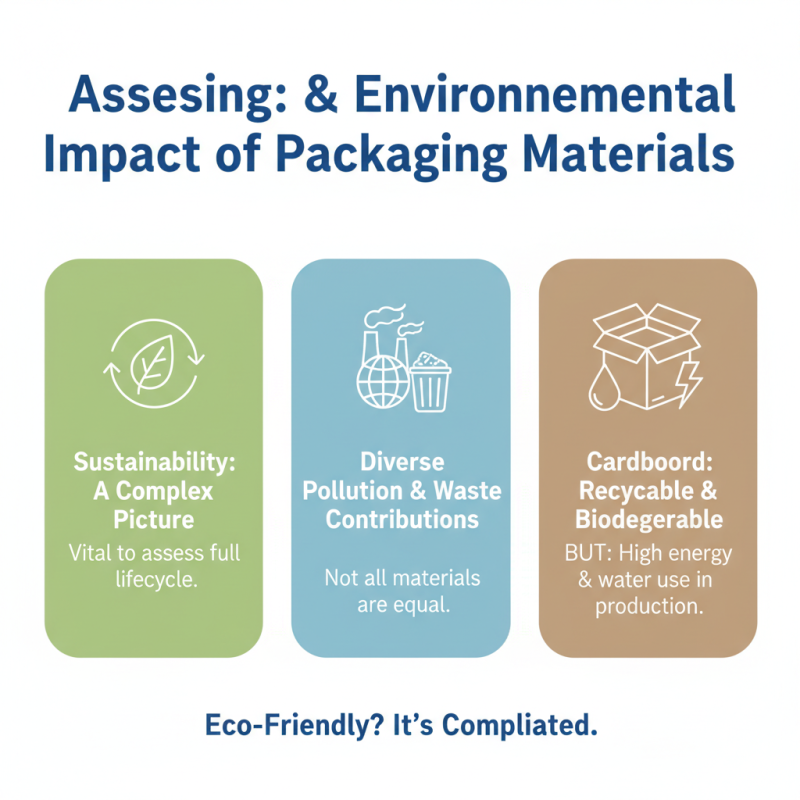
When exploring the environmental impact of packaging materials, assessing sustainability is vital. Different materials contribute variously to pollution and waste. For instance, cardboard is often recyclable and biodegradable. However, its production can consume significant amounts of energy and water. This reality makes cardboard not as straightforwardly eco-friendly as it seems.
Plastic packaging presents another dilemma. While lightweight and durable, plastics often end up in landfills and oceans. Microplastics can disrupt ecosystems. Many companies are seeking alternatives. Biodegradable plastics are gaining attention, but not all are environmentally benign. These choices require careful consideration to minimize harm.
Ultimately, your choice of packaging should reflect a balance between functionality and environmental responsibility. Understanding the lifecycle of materials enables informed decisions. Continuous evaluation is necessary. Are you truly reducing your ecological footprint? Advocating for sustainable materials is commendable, yet it’s vital to remain critical of the choices available.
Determining Cost-Effectiveness in Packaging Choices
When determining packaging options, cost-effectiveness is key. The right packaging can significantly impact your bottom line. It's crucial to balance quality and cost when selecting cartons for your products. Assessing your materials and production processes will help identify the most financially sustainable options.
Tips: Always compare multiple suppliers. Seek bulk discounts to reduce costs further. Consider the long-term durability of the packaging. Sometimes, cheaper materials break easily, leading to costly replacements and returned goods. Making informed choices can save money.
Don’t overlook transport costs. Heavier materials can increase shipping fees. Lightweight cartons can be an economical choice but might not protect your products adequately. Test various packaging designs to find an optimal mix of cost and protection. Reflection on these factors will enhance your packaging strategy.