How to Choose the Right Folding Carton Styles for Your Packaging Needs?
Choosing the right folding carton styles for your packaging needs is crucial. In recent years, the demand for bespoke packaging solutions has surged. Reports indicate that the global folding carton market is expected to grow at a CAGR of 3.8% from 2021 to 2028. This growth highlights the importance of selecting suitable styles.
Folding cartons offer versatility across various industries, from food to cosmetics. The right style enhances product presentation and ensures safety during transportation. However, many businesses overlook critical factors when making a choice. Do you prioritize sustainability or cost? Are you considering how your packaging reflects your brand image?
Some companies invest heavily but still fail to connect with consumers. Packaging should resonate emotionally, yet many options miss this mark. Evaluating folding carton styles requires careful thought. Balancing functionality and aesthetics is essential. Each choice influences your brand’s reputation. Ultimately, the right folding carton style can elevate your product in a crowded marketplace.
Understanding the Basics of Folding Carton Styles for Packaging
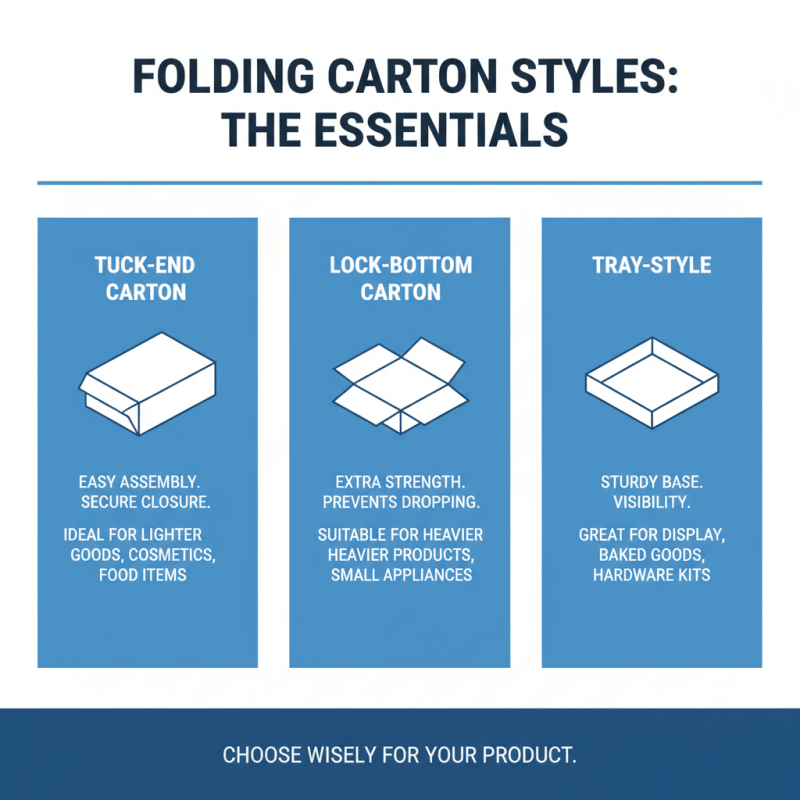
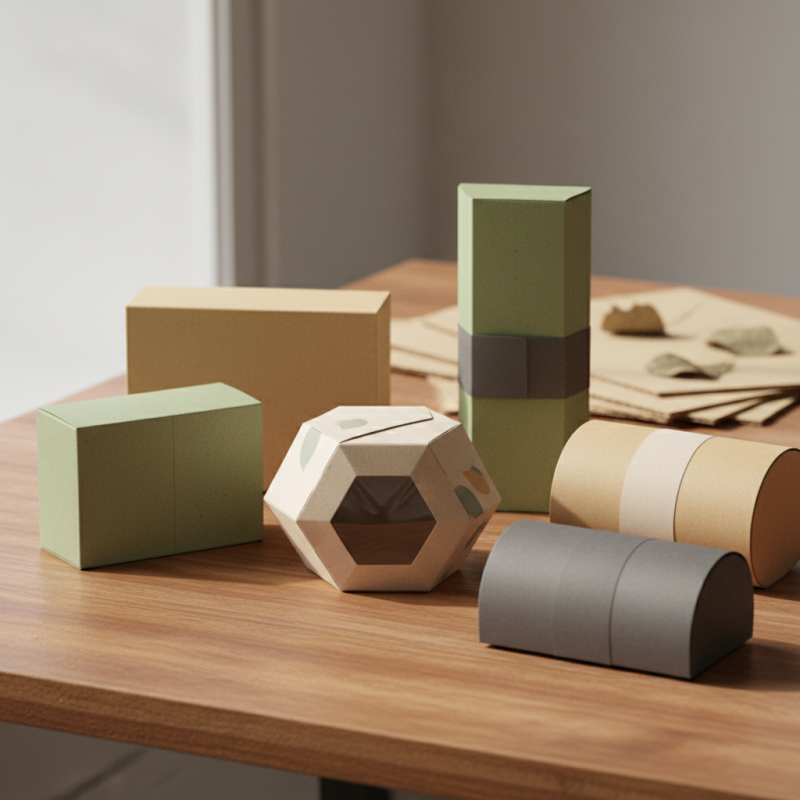
When selecting folding carton styles, understanding the basics is crucial. Folding cartons come in various shapes and sizes. Each style serves different purposes and needs. You might prefer a tuck-end carton for easy access. Alternatively, a tray-style carton provides a stable base for heavier items.
Consider the product you are packaging. A delicate item may need a more robust carton design. Simplistic designs often reduce manufacturing costs. However, unique styles can enhance shelf appeal. Don’t forget, some styles may be harder to assemble. This can lead to increased labor costs and frustration.
Reflecting on your choices is essential. Are you prioritizing aesthetics over functionality? That can be risky. Test different styles before finalizing your decision. Customer feedback can reveal what works best. Balancing cost, design, and practicality is key in choosing the right folding carton style.
Identifying Your Product Requirements for Folding Cartons
Choosing the right folding carton style begins with understanding your product requirements. Each product has unique needs, which directly influence carton design. Consider factors like size, weight, and fragility. A delicate item might need a sturdier carton. Weight affects material thickness. Lightweight products may use thinner paperboard.
Tips: Test your designs. Create prototypes and gather feedback.
Think about the shelf appeal. A visually striking carton can attract customers. Colors and graphics should match your brand identity. Don’t overlook functionality. Make sure your carton is easy to open and reseal if needed.
Tips: Ask potential users for insights. Their feedback could highlight important features you missed.
Finally, consider sustainability. Eco-friendly materials are increasingly preferred. However, ensure they meet your product’s protective needs. Sometimes, compromise is necessary. Balancing aesthetics, functionality, and sustainability can be tricky. Always refine your choices based on continuous testing and market feedback.
How to Choose the Right Folding Carton Styles for Your Packaging Needs?
| Product Type |
Carton Style |
Material |
Dimensions (L x W x H) |
Printing Options |
Seal Type |
| Cosmetics |
Self-locking |
Kraft Paper |
4 x 3 x 10 inches |
Flexographic, Digital |
Tuck-end |
| Food Items |
Retort |
Cardboard |
6 x 4 x 3 inches |
Offset, Gravure |
Seal & tape |
| Electronics |
Rigid |
Paperboard |
8 x 6 x 4 inches |
High-quality offset |
Magnetic closure |
| Health Supplements |
Folding box |
Recycled Paper |
5 x 5 x 7 inches |
Digital, Silk Screen |
Tuck-end |
| Toys |
Sleeve |
Bleached Paper |
10 x 8 x 4 inches |
Full-color printing |
No seal required |
Comparing Different Folding Carton Designs and Their Uses
When selecting a folding carton, understanding different styles is crucial. Each design serves a unique purpose. Some are suitable for retail displays, while others work best for e-commerce packaging. For instance, tuck-end cartons are common for products like cosmetics. They are easy to open and aesthetically pleasing. However, they may not provide enough protection during shipping.
Another option is the auto-lock bottom carton. This design offers better stability. It keeps products secure and is user-friendly for assembly. Some manufacturers may rush this design, leading to structural weaknesses. It’s important to consider how heavy the items are.
Sustainable options are gaining popularity. Biodegradable and recyclable materials attract environmentally conscious consumers. However, brands must ensure that these materials maintain quality and durability. The choice often comes down to functionality versus eco-friendliness. Assessing your product’s needs can be a challenge, but the right folding carton can enhance your brand's appeal.
Evaluating Material Options for Folding Carton Durability and Appeal
When selecting materials for folding cartons, durability is essential. The carton must withstand handling and transport. Cardboard is a popular option. It offers sturdiness and printability. Some might overlook how thickness impacts strength. A heavier gauge can provide better protection.
Another vital aspect is appeal. The material influences appearance and customer perception. Coated finishes can enhance visuals. Yet, they might add costs. Recyclable options are gaining popularity. They attract eco-conscious consumers. However, not all recyclable materials are suitable for heavy items. This requires thoughtful consideration.
Choosing the right material is complex. Balancing durability against aesthetics can be challenging. Some materials may not meet expectations in both areas. It’s crucial to test options. Regularly reassessing material performance will improve future decisions. Avoiding assumptions can lead to better outcomes.
Folding Carton Styles: Material Durability and Appeal
Making Informed Choices: Budget and Sustainability Considerations
When selecting the right folding carton styles, budget and sustainability play crucial roles. A tight budget can limit choices, forcing companies to pick options that may not meet their environmental standards. Consider the materials used. Are they recyclable? Choosing eco-friendly materials can be more costly initially but can save money in the long run. It's a delicate balance.
Sustainability also encompasses the entire lifecycle of the packaging. Look for suppliers who provide information on their production methods. Are they energy-efficient? How much waste do they generate? Sometimes, broader options exist that fit various budgets. You might sacrifice quality for reduced costs. Reflect on what matters more: short-term savings or long-term sustainability?
Ultimately, making informed choices requires research and consideration. Explore alternative materials, even if they seem unconventional. Engaging with suppliers can lead to creative packaging solutions that align with both budget and environmental goals. Sometimes, the perfect style may not exist yet, pushing everyone to innovate.