In the evolving world of packaging, businesses are constantly seeking innovative solutions that effectively combine functionality with aesthetics. Among the various options available, collapsible rigid boxes have gained significant popularity due to their versatility and convenience. These boxes not only provide a sturdy protective structure for products but also offer the unique advantage of being collapsible, allowing for efficient storage and transportation. This characteristic is particularly beneficial for companies looking to maximize their space and reduce shipping costs.
When selecting collapsible rigid boxes for your packaging needs, it is essential to consider factors such as size, material, and design. The perfect box should not only cater to the dimensions of your product but also align with your brand's identity and messaging. Additionally, the choice of materials can significantly impact both the durability of the packaging and its environmental footprint. By understanding these key aspects, businesses can make informed decisions that enhance their overall packaging strategy and customer experience.
In this guide, we will explore the critical considerations for choosing the best collapsible rigid boxes, ensuring that your packaging not only meets practical requirements but also leaves a lasting impression on your customers. Whether you are a small startup or an established company, the right packaging solution can elevate your brand and contribute to your success in a competitive market.
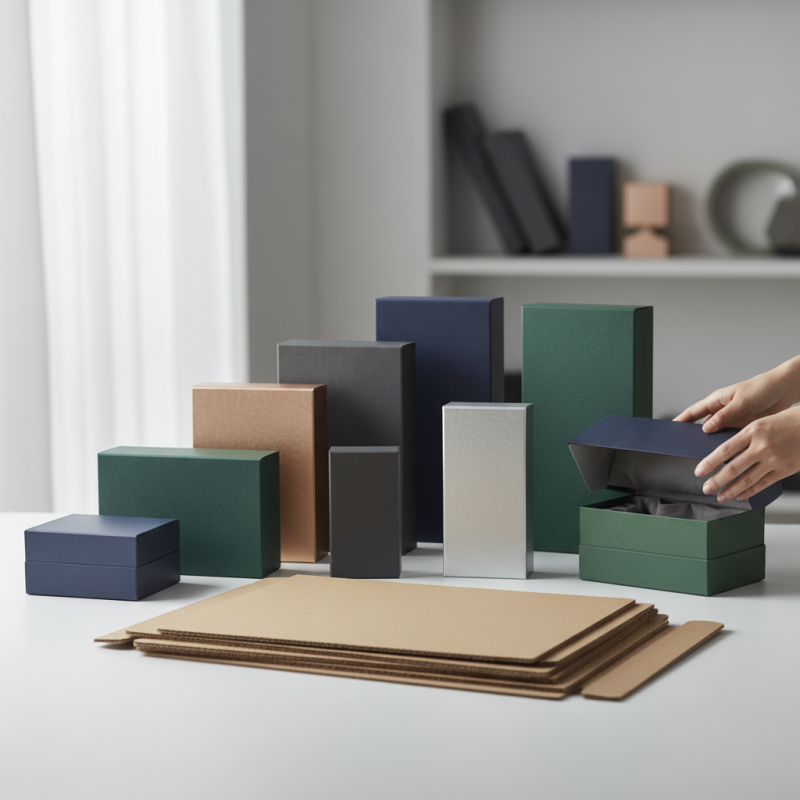
Collapsible rigid boxes have emerged as a favored choice in the packaging industry due to their unique combination of convenience and durability. These boxes are designed to be folded down, allowing for efficient storage and transportation when not in use. According to industry reports, the global rigid box market is expected to reach USD 6.39 billion by 2026, showcasing a compound annual growth rate (CAGR) of 4.5%. This growth is primarily driven by the rise in online shopping and the growing demand for sustainable packaging solutions, as collapsible rigid boxes are often made from recyclable materials.
One of the key benefits of collapsible rigid boxes is their ability to provide a premium unboxing experience for customers. These boxes are not only visually appealing but also offer superior protection for products, making them ideal for retail merchandise and luxury items. A recent study indicated that 60% of consumers consider the quality of packaging to be a significant factor in their purchasing decision, indicating that businesses can enhance their brand image through clear and thoughtful packaging choices. Furthermore, the collapsible nature of these boxes can lead to reduced shipping costs and lower storage expenses, adding to their appeal for businesses looking to streamline operations without compromising quality.
When it comes to selecting collapsible rigid boxes for packaging needs, several key factors warrant careful consideration to ensure that the final choice aligns with both brand identity and functional requirements. Firstly, the dimensions and load capacity of the boxes should match the product specifications. According to the "2022 Global Packaging Survey," over 70% of businesses reported that improper box size led to product damage during transit, underscoring the importance of accurate measurements. Companies should assess their product's weight and shape to determine the most suitable box size, as this can also optimize storage and shipping costs.
Another critical factor to consider is the material used in the construction of the collapsible boxes. Industry insights reveal that sustainable packaging solutions are becoming increasingly vital, with a recent report indicating that 65% of consumers are willing to pay more for eco-friendly packaging. Companies should evaluate materials that not only provide structural integrity but also support sustainability goals, such as recycled paperboard or biodegradable composites. Additionally, the design of the box, including features like locking mechanisms and custom prints, can significantly impact customer perception and enhance the unboxing experience, highlighting the need for thorough market research before making a selection.
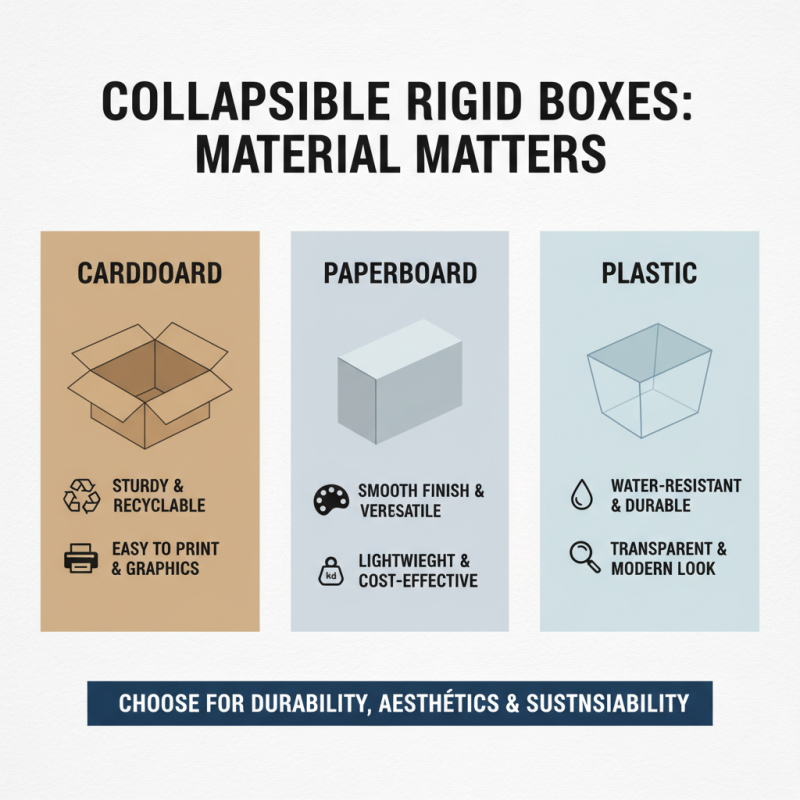
When it comes to selecting collapsible rigid boxes for packaging needs, the choice of materials plays a crucial role in both durability and aesthetics. Common materials such as cardboard, paperboard, and plastic each have their unique properties. Cardboard is often favored for its sturdiness and recyclability, making it an eco-friendly option that maintains its integrity even under pressure. Additionally, cardboard can be easily printed on, allowing for vibrant graphics that enhance brand visibility.
On the other hand, plastic materials, particularly polypropylene and PET, offer excellent durability and water resistance. They are ideal for products that require additional protection from moisture and damage. The aesthetic aspect of plastic can be improved with various finishes and colors, providing an attractive display that can appeal to consumers. Furthermore, the lightweight nature of plastic makes it a convenient choice for shipping, while still being able to maintain an upscale look.
Ultimately, the decision between these materials should consider the specific requirements of your products, target audience, and brand identity. Balancing durability and aesthetics is key to creating packaging that not only protects the contents but also enhances their marketability.
When selecting collapsible rigid boxes for packaging, customization is vital for enhancing branding and functionality. According to a report by Smithers Pira, the impact of packaging on consumer purchasing decisions is significant; about 72% of consumers say that packaging design influences their buying choices. This statistic underscores the importance of tailored options in creating a robust brand presence. Customization can include unique sizes, shapes, and finishes, which not only cater to the product's requirements but also distinguish the brand in a saturated market.
Moreover, using sustainable materials for collapsible rigid boxes can further elevate brand perception and functionality. A survey by Nielsen revealed that 73% of global consumers would change their consumption habits to reduce environmental impact, making eco-friendly packaging a pivotal choice. Features such as die-cut windows, embossing, and personalized prints can transform standard packaging into a powerful marketing tool, allowing brands to convey their values and stories effectively. Incorporating these customization options will not only capture consumer attention but also foster loyalty and enhance the overall user experience.
| Dimension | Material Options | Customization Features | Purpose | Estimated Cost (per unit) |
|---|---|---|---|---|
| 10 x 8 x 4 in | Recycled Paperboard | Full-color printing, Embossing | E-commerce shipping | $2.50 |
| 12 x 10 x 3 in | Rigid Board | Spot UV coating, Customized inserts | Gift packaging | $3.75 |
| 14 x 12 x 5 in | Chipboard | Foil stamping, Window cut outs | Retail display | $4.50 |
| 8 x 6 x 4 in | Eco-friendly cardboard | Custom colors, Tuck flap style | Subscription boxes | $1.80 |
| 16 x 14 x 6 in | Plastic laminated board | Magnetic closure, Custom shapes | Luxury packaging | $6.00 |
When selecting collapsible rigid boxes for your packaging needs, evaluating cost-effectiveness and supplier reliability is crucial. The packaging industry is vast, and finding a supplier that provides a balance of quality and affordability can be a daunting task. Start by comparing quotes from multiple suppliers, ensuring that the boxes meet your specifications without compromising on materials or quality. Remember that the lowest price doesn’t always equate to the best value; consider potential hidden costs like shipping and handling or minimum order quantities that could impact your overall budget.
Tips: Always request samples before making a large purchase. This allows you to assess the quality firsthand and determine if the boxes will meet your products' needs. Additionally, take the time to read customer reviews and testimonials about the supplier's reliability and service. Reliable suppliers should also have a transparent communication process and a solid return policy, which can significantly alleviate concerns when placing larger orders.
Moreover, consider the long-term implications of your choice. Reliable suppliers tend to have established systems in place for consistency in production. Regular assessments of the supplier’s performance can help you maintain a steady supply and avoid disruptions in your packaging chain. Establishing a good relationship with a dependable supplier can lead to better pricing and priority service in the future.