

10 Best Clear Folding Boxes for Global Buyers?
Choosing the right clear folding boxes is more than comparing appearance and price. Global buyers must examine material quality, folding accuracy, print performance, and shipping protection. A box may look excellent under showroom lighting. It can still crease, cloud, or open during humid transport.
Dr. Michael Thielen, a recognized plastics and packaging specialist, describes packaging as “the silent salesman.” That idea matters here. Clear folding boxes display cosmetics, gifts, electronics, and retail products without requiring immediate opening. Their clarity can influence trust, but only when the structure remains clean and stable.
This guide reviews ten practical options for international purchasing teams. Each option deserves attention to PET, PVC, or PP material, depending on product requirements and market expectations. Buyers should check film thickness, locking tabs, die-cut precision, surface scratches, and carton packing methods. Small details matter. A poorly aligned tuck flap can damage a premium presentation.
Supplier experience also deserves scrutiny. Ask for physical samples, production photographs, test reports, and details about quality inspection. Confirm whether the boxes arrive flat-packed and whether assembly requires tools. These points affect labor costs and warehouse space. They also reveal how seriously a manufacturer manages consistency.
The ranking is not absolute. A luxury brand may prefer crystal clarity and custom printing. A shipping-intensive business may prioritize stronger folds and protective cartons. I have found that the cheapest quotation is rarely the cheapest complete solution. Hidden defects, high rejection rates, and delayed replenishment can outweigh a lower unit price.
Use this list as a comparison framework, not a final verdict. Clear folding boxes should protect the product, support its presentation, and perform reliably across real supply-chain conditions.
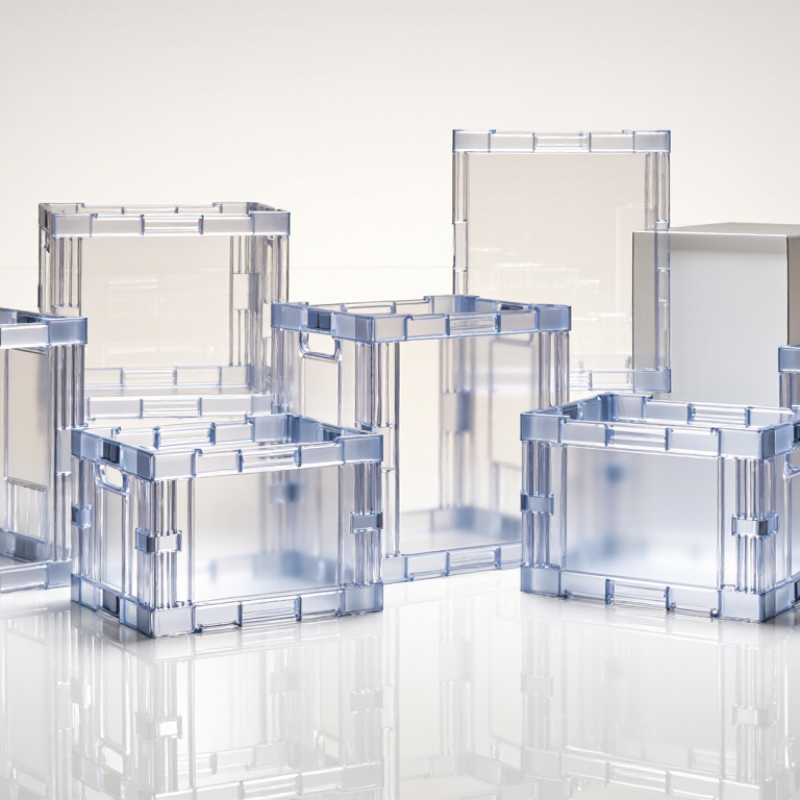
What Clear Folding Boxes Are and Why Global Buyers Choose Them
Clear folding boxes are transparent cartons made from PET, rPET, or other rigid plastic sheets. They arrive flat, then fold along scored panels. This design reduces storage space and shipping volume before assembly. Buyers can inspect the product without opening the package. That visibility supports retail presentation, quality checks, and international product handling.
Global buyers choose them for practical reasons. Clear panels show color, shape, and finish immediately. A secure tuck closure can also reduce accidental opening during transport. Smithers’ report, The Future of Global Packaging to 2028, projects the packaging market will exceed 1.2 trillion dollars by 2028. Demand is growing, but sustainability concerns remain serious. UNEP reports that packaging uses about 40% of global plastic production. Therefore, responsible buyers should request recyclable materials, recycled content, and clear end-of-life guidance. Plastic packaging is useful, but it is not automatically sustainable. That point deserves more honest attention.
Tips: Ask for material certificates and folding samples before placing a large order. Check crease strength, surface scratches, and performance after temperature changes. Confirm whether local recycling systems accept the selected material. A box may look excellent under showroom lights, yet fail after long-distance handling. That small test can prevent expensive surprises.
10 Best Clear Folding Boxes for Global Buyers? - What Clear Folding Boxes Are and Why Global Buyers Choose Them
A practical comparison of common clear folding box configurations. Dimensions and specifications are typical market ranges and should be confirmed with the selected converter before ordering.
| No. | Clear Folding Box Type | Typical Material | Typical Size Range (L × W × H) |
Visibility | Closure Style | Best-Suited Products | Global Buyer Advantages |
|---|---|---|---|---|---|---|---|
| 1 | Standard Four-Panel Folding Box | Clear PET, commonly 0.25–0.50 mm | 50–250 × 30–150 × 30–150 mm | Four-sided | Tuck top and bottom | Cosmetics, small accessories, gifts | Flat shipping, efficient storage, broad size availability |
| 2 | Lock-Bottom Folding Box | PET or recycled PET, commonly 0.30–0.60 mm | 60–220 × 40–160 × 40–180 mm | Four-sided | Auto-lock bottom and tuck top | Heavier cosmetics, hardware, packaged gifts | Improved bottom strength and faster retail packing |
| 3 | Hanging-Tab Clear Box | Clear PET or PVC-free RPET, commonly 0.25–0.45 mm | 40–180 × 25–100 × 40–180 mm | Four-sided plus front display | Tuck flap with euro or round hang tab | Small tools, phone accessories, stationery | Works with pegboard retail displays and improves product visibility |
| 4 | Window-Style Folding Box | Clear PET with printed paperboard panels, typically 0.25–0.40 mm PET | 70–300 × 50–220 × 30–180 mm | Front and partial side | Tuck flap or glued side seam | Apparel accessories, food gifts, premium sets | Combines branding space with product visibility |
| 5 | Pillow-Style Clear Box | Clear PET, commonly 0.25–0.40 mm | 60–220 × 40–160 × 20–100 mm | All-around | Integrated curved tuck flaps | Candies, soap bars, jewelry, small gifts | Distinctive presentation with low material usage |
| 6 | Triangular Prism Folding Box | PET or RPET, commonly 0.30–0.50 mm | 80–250 × 40–120 × 40–120 mm | Multi-face | Tuck or snap-lock ends | Tubes, rolled products, novelty gifts | Differentiated shelf shape and stable product positioning |
| 7 | Cylinder-Style Folding Box | Clear PET, commonly 0.30–0.50 mm | Diameter 40–120 × height 80–250 mm | Full circumference | Tuck ends or locking tabs | Bottles, candles, rolled textiles | Supports cylindrical products without hiding the shape |
| 8 | Two-Piece Sleeve and Tray | Clear PET tray with clear or printed PET sleeve | 80–300 × 50–220 × 30–160 mm | Front and side | Sliding tray and sleeve | Premium kits, electronics accessories, gift sets | Reusable opening experience and stronger premium appearance |
| 9 | Snap-Lock Clear Box | Rigid PET or RPET, commonly 0.40–0.80 mm | 50–200 × 40–150 × 30–150 mm | Four-sided | Integral snap tabs | Small hardware, collectibles, repeated-use items | Secure closure and convenient opening without separate adhesive |
| 10 | Recycled PET Clear Folding Box | Post-consumer recycled PET, commonly 0.25–0.60 mm | 50–250 × 30–180 × 30–180 mm | Four-sided | Tuck, lock-bottom, or snap-lock | General retail products and sustainability-led packaging | Supports recycled-content targets while preserving product visibility |
Related Posts
-
Why Choose Folding Packaging Boxes for Bulk Orders?
-
10 Tips for Choosing the Best Paperboard Boxes for Your Business Based on 2023 Market Trends
-
Top 10 Benefits of Using Folding Carton Boxes for Packaging?
-

Why Choosing Chipboard Boxes is the Best Solution for Your Packaging Needs
-

Why Are White Rigid Boxes Essential for Packaging Solutions?
-
How to Effectively Setup Boxes for Global Procurement?
