Top Benefits of Paperboard Packaging and Its Sustainable Advantages
In recent years, the demand for sustainable packaging solutions has surged, as consumers and businesses alike become more environmentally conscious. Among the various options available, paperboard packaging has emerged as a leading choice, offering a myriad of benefits that align with sustainability goals. This versatile packaging material is not only lightweight and cost-effective, but it also boasts impressive recyclability and biodegradability, making it an environmentally friendly alternative to conventional plastic and other materials.
The unique qualities of paperboard packaging contribute to its growing popularity across multiple industries, from food and beverage to cosmetics and electronics. Its ability to provide excellent protection, coupled with the potential for eye-catching designs, ensures that products are not only safe but also appealing to consumers. In this discussion, we will explore the top benefits of paperboard packaging, shedding light on its sustainable advantages that are propelling it to the forefront of eco-friendly packaging solutions. As we delve into these aspects, it becomes clear that paperboard packaging is not only a practical choice but also a responsible one, paving the way for a greener future.

Benefits of Paperboard Packaging for Various Industries
Paperboard packaging has emerged as a versatile solution for various industries, thanks to its lightweight nature and strength. Industries such as food and beverage, cosmetics, and electronics increasingly utilize paperboard due to its ability to protect products while also being biodegradable and recyclable. This shift not only supports environmental sustainability but also enhances the brand image of companies committed to eco-friendly practices. The adaptability of paperboard allows for creative designs that can captivate consumers while ensuring product safety during transit.
**Tips:** When selecting paperboard packaging, consider options that utilize sustainable sourcing, such as FSC-certified materials. Additionally, incorporating minimalist designs can reduce waste and lower production costs, ultimately benefiting the bottom line.
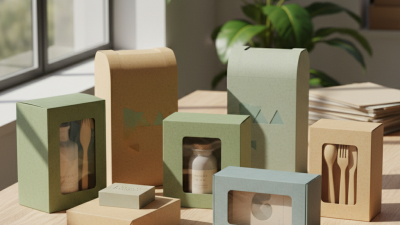
Moreover, the customization possibilities with paperboard are vast. Industries can easily incorporate unique shapes, prints, and finishes to create eye-catching packaging that not only differentiates their products in a crowded marketplace but also meets specific functional requirements. This adaptability is especially beneficial for small businesses looking to establish a strong market presence without compromising on quality or sustainability.
**Tips:** Explore local suppliers for paperboard materials to reduce transportation emissions and support your community. Engaging in a closed-loop system where used packaging is collected and recycled can also enhance your sustainability efforts.
Environmental Sustainability of Paperboard Materials
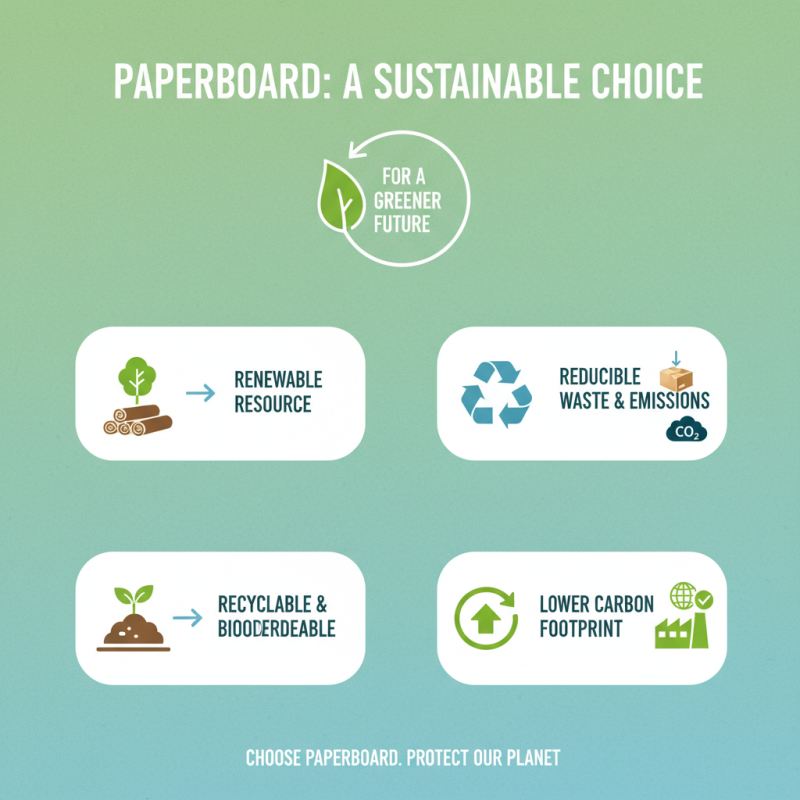
The environmental sustainability of paperboard materials has garnered significant attention in recent years. Paperboard, made from wood fibers, is a renewable resource that contributes to the reduction of waste and greenhouse gas emissions. By opting for paperboard packaging, companies can help decrease their carbon footprint. Furthermore, paperboard is recyclable and biodegradable, breaking down naturally and returning to the earth without causing long-term pollution. This aligns with a growing consumer preference for sustainable products, making it a favorable choice for both businesses and the environment.
**Tips for Sustainable Paperboard Use:**
1. Choose paperboard sourced from sustainably managed forests, certified by organizations that ensure responsible forestry practices.
2. Educate consumers about the recyclability of paperboard products to encourage proper disposal and enhance the recycling cycle.
Additionally, innovations in paperboard production are leading to even more eco-friendly options. This includes the use of water-based inks and adhesives that minimize chemical waste. As technologies evolve, businesses can leverage these advancements to enhance their packaging solutions further, aligning profitability with sustainability. Emphasizing the environmental benefits of paperboard not only aids in marketing but also resonates with a consumer base increasingly looking for responsible choices.
Recyclability and Compostability of Paperboard Packaging
The recyclability and compostability of paperboard packaging are among its most significant sustainable advantages. According to a report from Smithers Pira, the global market for sustainable packaging is expected to reach $500 billion by 2025, highlighting an increasing demand for eco-friendly materials. Paperboard packaging, being made primarily from renewable resources, is an excellent alternative to plastic packaging. In fact, studies show that approximately 70% of paperboard packaging can be recycled, allowing consumers to minimize their environmental impact through effective waste management strategies.
Moreover, paperboard not only contributes to recycling efforts but also offers compostability under the right conditions. The Composting Council tells us that paper products can break down into organic matter when exposed to moisture and microorganisms, enriching soil health. This decomposition typically occurs within 60 to 90 days in a commercial composting facility, showcasing its potential for a zero-waste future. In addition, the Paper and Packaging Board reports that recycling a ton of paper saves 17 trees, 7,000 gallons of water, and 4,100 kilowatts of electricity, reinforcing paperboard's role in promoting a more circular economy. Consequently, businesses that choose paperboard packaging are not only aligning with consumer preferences for sustainability but also actively participating in environmental conservation efforts.
Top Benefits of Paperboard Packaging and Its Sustainable Advantages
Cost-Effectiveness of Paperboard in Supply Chains
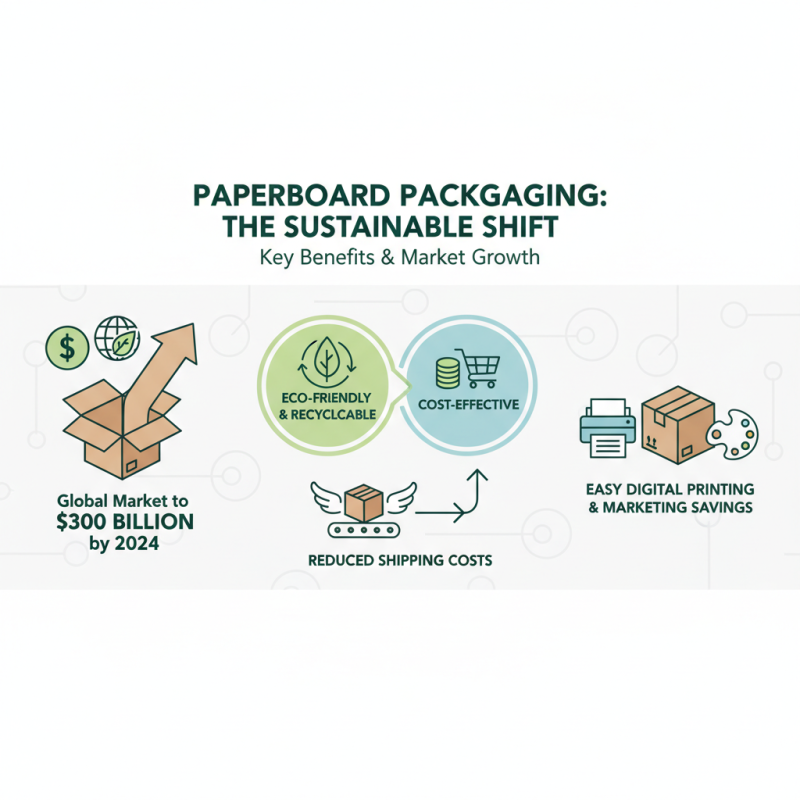
The shift towards sustainable practices in supply chains has led to a significant focus on paperboard packaging, primarily due to its cost-effectiveness and eco-friendly characteristics. According to a report by Smithers Pira, the global market for paperboard packaging is expected to reach $300 billion by 2024, highlighting its growing prevalence in various industries. Paperboard provides a lightweight and durable solution, which can drastically reduce shipping costs. Its compressibility and ease of digital printing also lead to savings in both packaging and marketing materials.
Moreover, paperboard can be sourced from renewable resources, and studies indicate that it has a lower carbon footprint compared to plastic and glass alternatives. A report from the Circular Economy Action Agenda reveals that utilizing recycled paperboard can cut emissions by up to 45%. This not only aligns with corporate sustainability goals but also lowers overall packaging costs in the long run, providing further financial benefits.
**Tips:** When considering paperboard for your packaging needs, look for suppliers that utilize recycled materials to enhance sustainability and reduce costs. Additionally, evaluate the total cost of ownership, including the savings in transportation and storage, to fully understand the financial advantages paperboard can bring to your supply chain. Leveraging the benefits of paperboard can position your business as a leader in sustainability while simultaneously optimizing costs.
Consumer Preferences for Eco-Friendly Packaging Solutions
Consumer preferences are increasingly shifting towards eco-friendly packaging solutions as awareness of environmental issues rises. According to a recent report by Smithers Pira, 74% of consumers globally prefer brands that use sustainable packaging. This preference speaks to a greater demand for materials that minimize environmental impact while maintaining functionality and aesthetic appeal.
Paperboard, being both recyclable and biodegradable, stands out as a leading choice, aligning perfectly with the growing consumer desire for sustainable practices.
Moreover, a study conducted by Nielsen reveals that 66% of consumers are willing to pay more for environmentally friendly products, with this number rising to 73% among millennials. This trend reflects a significant market opportunity for companies that integrate sustainable paperboard packaging into their operations. Not only does eco-friendly packaging appeal to consumers, but it also enhances brand loyalty and competitive advantage. As businesses adopt paperboard solutions, they not only fulfill consumer demand but also contribute positively to the environment, promoting a circular economy that benefits both people and the planet.