2026 Top Trends in Paper Board Packaging You Need to Know?
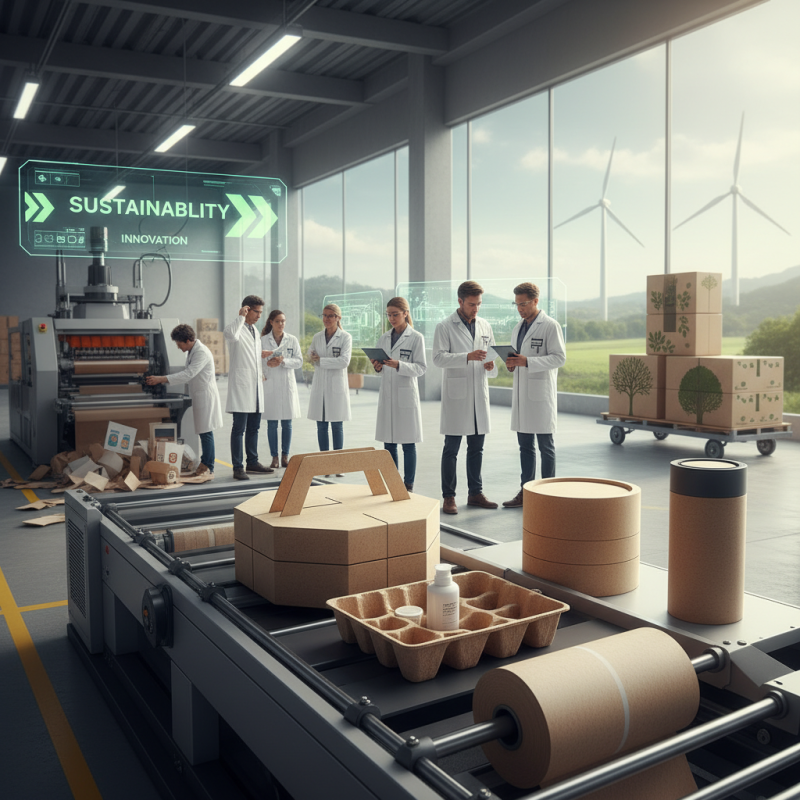
In 2026, trends in paper board packaging are set to transform the industry. Companies are exploring eco-friendly options to meet consumer demand. Sustainable practices are becoming a priority for brands looking to attract environmentally conscious customers.
Innovation plays a vital role in this shift. New designs enhance product appeal, while reducing waste. Brands must adapt to new materials and technologies to stay competitive. However, not every company embraces this change smoothly. Some struggle with the transition to sustainable methods.
As businesses navigate these trends, challenges arise. Cost factors and production capabilities may hinder progress. Yet, those who seize the opportunity for growth can thrive. The future of paper board packaging will depend on adaptability and forward-thinking strategies.
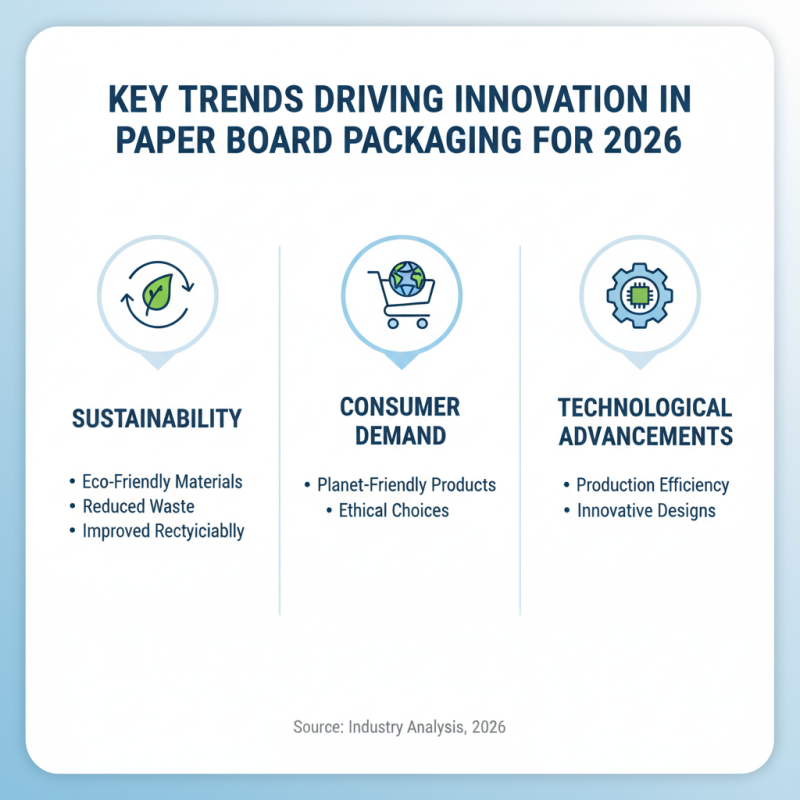
Key Trends Driving Innovation in Paper Board Packaging for 2026
In 2026, paperboard packaging is changing rapidly. Sustainability is a major driver. Brands seek eco-friendly materials more than ever. Consumers demand products that help the planet. This focus will lead to innovative designs, reducing waste and improving recyclability. New technologies also enhance production efficiency.
Digital printing is being embraced widely. This allows for vibrant designs and customization on paperboard. Brands can offer personalized packaging. This trend speaks to the desire for unique consumer experiences. However, the transition can be challenging for some manufacturers. Adapting to new printing techniques requires investment in training and equipment.
Lastly, the push for functional packaging cannot be ignored. Features like easy-open tabs and resealable designs are trending. These enhancements improve user experience, but they also need careful consideration. Balancing functionality with sustainability remains an ongoing challenge in the industry. Paperboard packaging innovation must address these contradictions to succeed in 2026.
Sustainable Materials: The Shift Towards Eco-Friendly Paperboard Options
The packaging industry is witnessing a significant shift towards sustainable materials. Eco-friendly paperboard options are becoming increasingly popular. Consumers are more aware of their environmental impact. They prefer products that contribute to a healthier planet. This change influences brands to rethink their packaging strategies.
Tips for choosing sustainable materials: look for certifications that verify eco-friendliness. Consider recycled content when selecting paperboard. It reduces waste and conserves resources. Brands should communicate their sustainability efforts transparently. This builds trust with the audience. However, not all 'eco-friendly' claims are genuine. Brands need to remain vigilant and accountable.
The transition to paperboard packaging is not without challenges. Some eco-friendly options may cost more initially. It can be difficult for smaller companies to adapt. Additionally, sourcing sustainable materials consistently is often a task. Brands must reflect on their commitment to sustainability while balancing cost and efficiency. This journey requires ongoing evaluation and improvement.
2026 Trends in Paper Board Packaging: Shift Towards Eco-Friendly Options
Technological Advancements Enhancing Efficiency in Packaging Production
In the rapidly evolving world of paperboard packaging, technological advancements are reshaping production efficiency. Automation plays a key role in this transformation. Reports indicate that automated processes can enhance packaging speed by up to 30%. This technology reduces human error and improves consistency. However, reliance on automation raises concerns about job displacement. The perspective of a balanced workforce is often overlooked.
Digital printing is another game-changer. This technique allows for customized packaging solutions. Companies can produce smaller runs without incurring high costs. A recent study found that 40% of packaging professionals see digital printing as crucial for business growth. Yet, investing in this technology requires initial capital, which might not be feasible for smaller firms.
Sustainability is also driving innovation. Eco-friendly materials are in high demand. The market for sustainable packaging is expected to reach $500 billion by 2026. However, the challenge lies in sourcing raw materials without compromising quality. As companies strive for sustainability, the balance between eco-friendliness and cost-effectiveness remains delicate.
Design Innovations: Aesthetic and Functional Trends in Paper Board Packaging
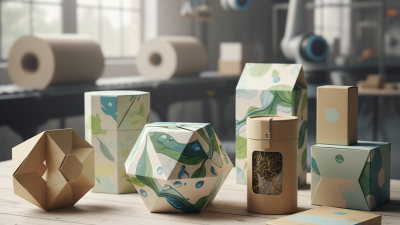
The world of paper board packaging is evolving rapidly. In 2026, design innovations will blend aesthetics with functionality. Many consumers now prefer packaging that is both attractive and sustainable. This shift is backed by industry data, which shows that 74% of buyers consider packaging design when making purchases.
Functional aspects are becoming equally important. The rise of e-commerce demands packaging that protects products during transit. Research indicates that 45% of return rates are due to damaged packaging. This highlights the need for robust designs that cater to logistical challenges. Brands are testing new structures and materials, often combining strength with visual appeal.
While progress is evident, some designs may stray towards overcomplication. Excessive embellishments can detract from the core purpose of packaging. Many consumers still value simplicity and clarity. It’s crucial for designers to strike a balance. They must reflect on how aesthetics and usability coexist in this evolving landscape.
2026 Top Trends in Paper Board Packaging You Need to Know
| Trend |
Description |
Impact |
Sustainability Score (out of 10) |
| Minimalistic Design |
Focus on simplicity and elegance to enhance product visibility. |
Increases consumer appeal and brand recognition. |
8 |
| Smart Packaging |
Integration of QR codes and NFC technology for interactive experiences. |
Enhances engagement and provides additional product information. |
7 |
| Eco-Friendly Materials |
Use of recycled paper and biodegradable coatings. |
Reduces environmental footprint and meets consumer demand for sustainability. |
10 |
| Unique Structural Designs |
Innovative shapes and features that enhance product protection and user experience. |
Differentiates products on the shelf. |
7 |
| Personalization |
Customized packaging based on consumer preferences and demographics. |
Creates a deeper connection with consumers and enhances loyalty. |
6 |
Consumer Preferences: The Impact on Paper Board Packaging Designs in 2026
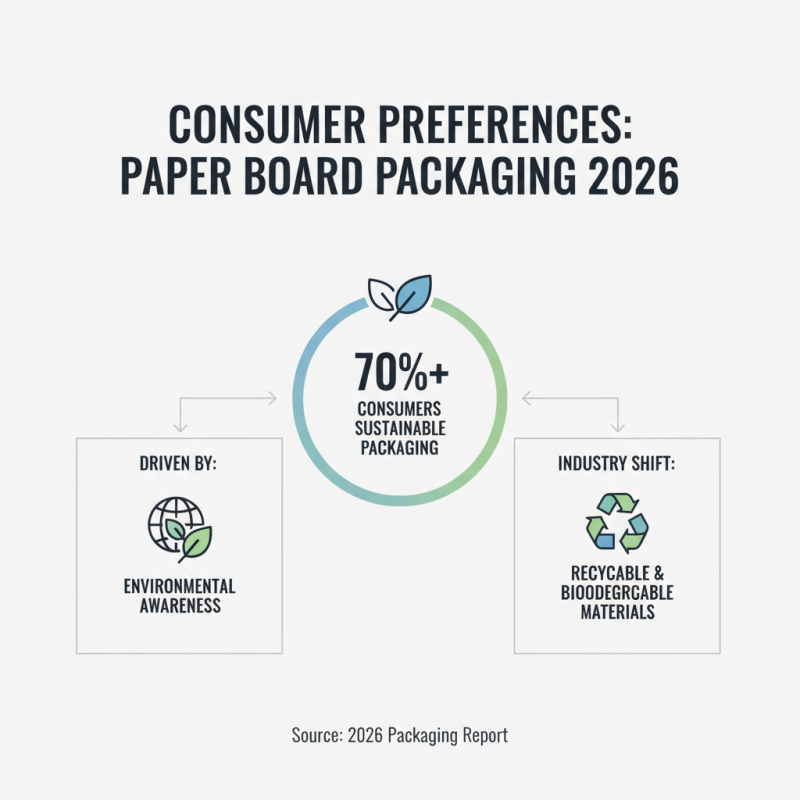
Consumer preferences are shaping the future of paper board packaging in significant ways. A recent report indicates that over 70% of consumers prefer sustainable packaging. This shift reflects a growing awareness of environmental issues. As a result, many brands are re-evaluating their packaging options. They are opting for recyclable or biodegradable materials to align with consumer values.
In 2026, innovative designs will likely emerge to captivate consumers. Data shows that 63% of consumers are willing to pay more for eco-friendly packaging. This preference drives brands to create packaging that not only protects products but also tells a story. Simplicity in design might become a trend, focusing on minimalism and functionality. Brands face challenges in balancing aesthetics and sustainability, especially when costs rise.
Regardless of these preferences, there are still unanswered questions. Not all consumers are informed about recycling processes. Misconceptions could lead to increased waste. Brands must take responsibility to educate their customers. They need to provide clear information on how to dispose of packaging responsibly. The 2026 landscape for paper board packaging will demand more than just environmentally friendly materials; effective communication is vital.