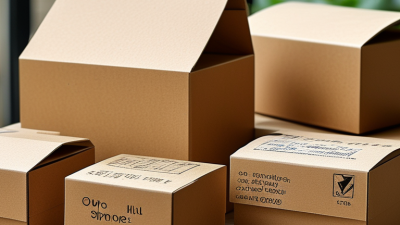
2026 Best Folding Carton Packaging Manufacturers
Choosing the right folding carton packaging manufacturer requires more than comparing prices or browsing polished factory photos. It demands evidence.
Smithers’ market analysis, The Future of Folding Cartons to 2028, identifies continued demand for recyclable paperboard formats, supported by food, healthcare, personal care, and retail applications. Its findings also point to pressure for lighter materials, stronger barrier performance, and more efficient production. These changes are visible on the factory floor: faster folding lines, inline inspection cameras, cleaner color registration, and tighter waste controls.
Performance matters.
Packaging Machinery Manufacturers Institute reports that automation and sustainability remain major investment priorities across packaging operations. For buyers, this means checking whether a supplier can manage consistent board thickness, accurate die-cutting, reliable glue application, and documented quality checks. A carton may look excellent in a sample box, yet fail during high-speed filling. That difference matters.
This 2026 guide evaluates leading manufacturers through practical criteria. These include production capacity, material sourcing, certifications, printing technology, structural design support, minimum order quantities, and export experience. Forest Stewardship Council certification can support responsible fiber sourcing, but certification alone does not prove complete supply-chain performance. Buyers should request current certificates, test reports, and production samples.
Market reports are useful, not perfect.
Regional data can vary because analysts define the folding carton market differently. Company claims also require verification. Therefore, this ranking should support due diligence, not replace it. The strongest manufacturers combine technical skill with transparent communication, realistic lead times, and repeatable quality. A dependable carton should protect the product, represent the brand clearly, and perform consistently after shipment.
What Are Folding Cartons and How Are They Used?
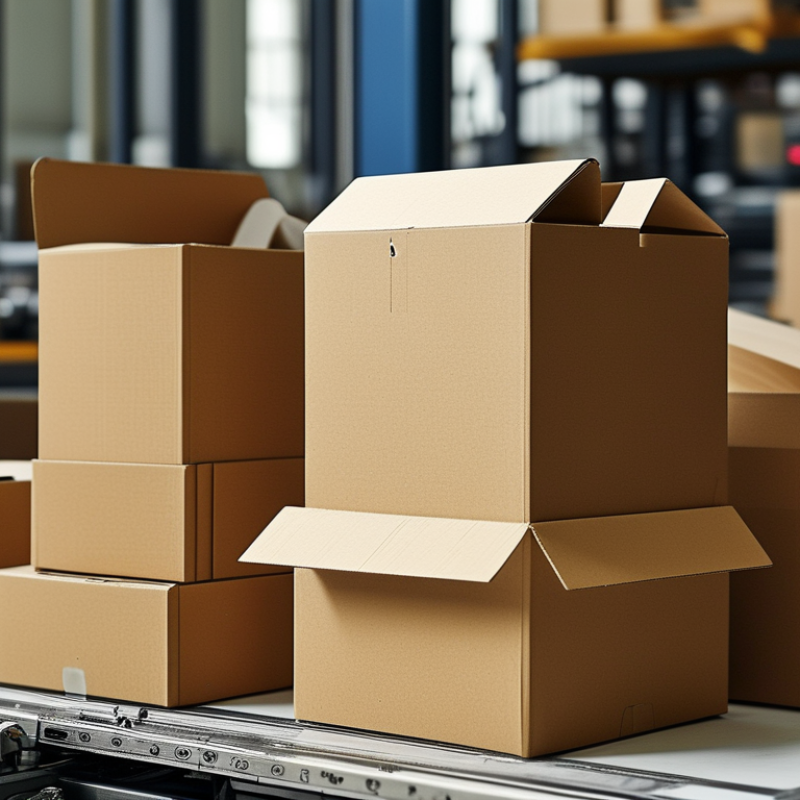
Folding cartons are paperboard packages cut, creased, printed, and glued into shape. They arrive flat, saving warehouse space and transport volume. On a packaging line, blank cartons open, receive products, and close through tuck flaps or glued seams. A small crease error can stop the line.
They protect cereal, cosmetics, medicines, dry foods, and household goods. Their printable surface supports instructions, batch details, barcodes, and shelf graphics. Cartonboard commonly ranges from about 200 to 600 grams per square metre, depending on product weight and stiffness needs. The exact choice depends on compression strength, moisture exposure, filling speed, and opening style. It is not simply “thicker is better.”
Grand View Research estimated the global folding carton market at approximately 137 billion US dollars in 2023. Its report forecasts continued growth through 2030, supported by packaged food, personal care, and pharmaceutical demand. Smithers also identifies sustainability and premium print effects as major development areas. However, recycling performance can vary. Plastic coatings, foil layers, heavy inks, and food residue may complicate fiber recovery. That detail is often missed. A carton designed for recycling should use compatible materials and clear disposal guidance. The Circular Economy for Flexible Packaging reports and industry recycling guidance also stress better design alignment with local collection systems. In practice, a beautiful carton can still underperform if it jams during filling or fails after humidity exposure. Testing matters.
Leading Folding Carton Manufacturers and Their Core Capabilities
The best folding carton manufacturers in 2026 will compete on capability, not appearance alone. Smithers’ The Future of Folding Cartons to 2028 estimates continued global growth, supported by food, healthcare, and consumer goods demand. This growth favors plants with stable board sourcing, accurate color control, and flexible short-run production.
A capable manufacturer should manage the full process, from structural design to die-cutting, folding, gluing, and inspection. Digital sampling can reduce approval time, while automated vision systems detect glue skips, poor creases, and print registration errors. A 2024 PMMI report also highlights automation and connected production as major packaging priorities. Still, technology does not replace practical experience. Operators must understand board grain, coating behavior, humidity, and machine pressure.
Sustainability needs measurable proof. Manufacturers should provide recycled-content data, responsible fiber documentation, and clear recyclability guidance. The Fibre Box Association reports that paper and paperboard recovery remains high in North America, although folding cartons face contamination and collection limits. That detail matters. A carton may look recyclable but fail in a local system.
The strongest suppliers also maintain ISO-based quality controls and documented food-contact procedures where required. Ask for batch records, migration testing, and physical samples. No plant is perfect. A minor crease shift can weaken a carton during transport. Manufacturers that disclose limitations, correct root causes, and share inspection evidence deserve more trust than those making broad promises.
Materials, Printing Methods, and Sustainable Packaging Options
2026 Best Folding Carton Packaging Manufacturers should prove more than attractive samples. Their material choices need technical evidence. Recycled fiber reduces virgin material demand, while responsibly sourced virgin fiber can improve strength and food-contact performance. Lightweighting helps, but weak cartons may create higher product damage.
Printing methods affect both quality and environmental impact. Offset printing delivers sharp images for long runs. Flexographic printing suits efficient production and simpler graphics. Digital printing reduces plates and supports short, customized runs, although its energy use and ink chemistry require careful assessment. Smithers’ The Future of Packaging Print to 2028 identifies digital packaging print as a faster-growing segment than traditional processes. The exact benefit depends on run length.
Sustainable packaging is not just paper content.
Water-based inks, recyclable dispersion coatings, and limited plastic laminates can support recovery. However, glossy barriers may complicate recycling. CEPI reported a 79.3% paper recycling rate in Europe in 2022, but collection systems differ widely by region. Manufacturers should provide fiber composition, coating details, recycled content, and supplier certifications. Ask for test results. Not marketing language.
A practical factory audit should inspect carton stiffness, scuff resistance, ink adhesion, and recycling compatibility. Small failures matter. A carton that tears during transport wastes materials and products. Better choices often involve compromise, and that deserves honest documentation.
How to Compare Quality, Costs, Certifications, and Production Capacity
2026 Best Folding Carton Packaging Manufacturers
Comparing folding carton manufacturers requires more than reviewing attractive samples. Inspect board thickness, fold accuracy, glue strength, and color consistency under normal lighting. Ask for production samples, not only hand-finished mockups. Small details matter.
Request a cost breakdown covering materials, plates, tooling, setup, waste, packing, and freight. A low unit price may hide high minimum quantities or expensive revisions. Confirm the quotation’s assumptions. Compare identical specifications, including board grade, coating, dimensions, and delivery terms. One practical test is a rub check after curing. Ink that smears on the shelf is a costly surprise.
Certifications can support trust, but verify their scope and expiry date. Check quality systems, environmental claims, and chain-of-custody documents when relevant. For regulated packaging, request applicable material safety and food-contact records. Capacity needs evidence too. Review press sizes, finishing equipment, shift patterns, inspection methods, and recent lead times. Ask how the factory handles urgent orders and equipment downtime. A site audit or live video walkthrough can reveal crowded storage, weak labeling, or manual steps hidden in a polished presentation. Perfect capacity claims deserve questions. A realistic supplier should admit limits, explain inspection records, and show how rejected cartons are controlled.